
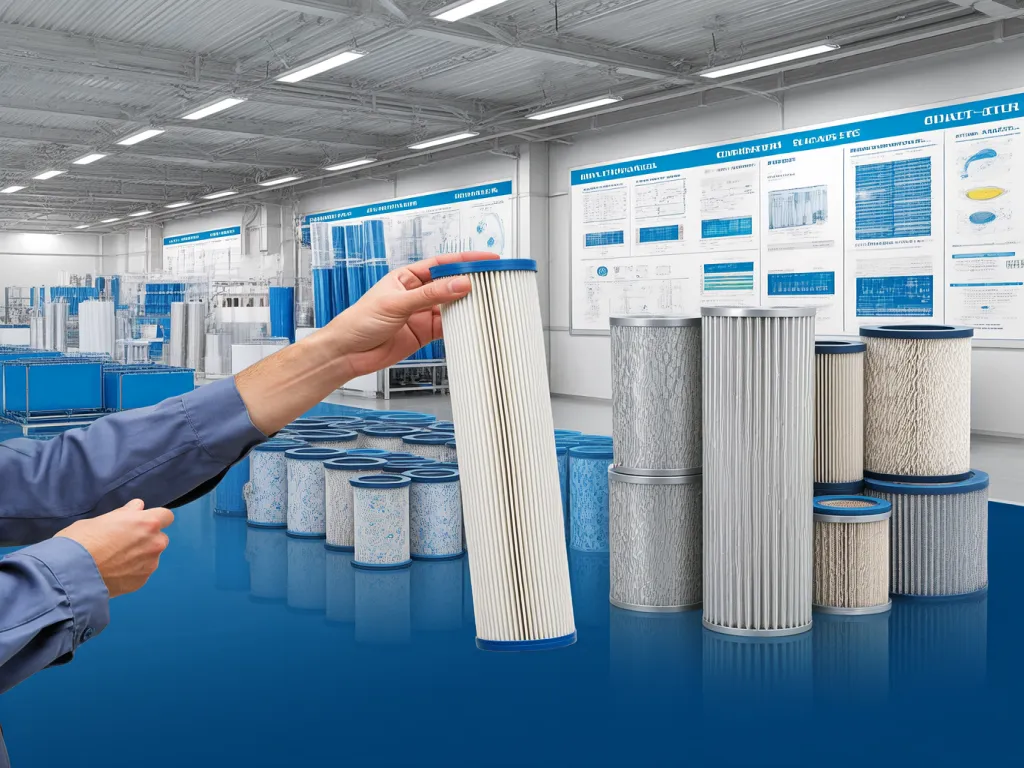
In the world of industrial filtration, choosing the right industrial filtration bag manufacturer can be the difference between seamless operations and costly downtime. Imagine a scenario where your filtration system consistently underperforms, leading to frequent replacements and increased maintenance costs. It’s a headache no industrial facility wants to deal with. That’s why understanding filtration efficiency and how it varies across different manufacturers is crucial. This blog will guide you through the intricacies of filtration efficiency, compare popular bag models, and match them to your specific industrial needs. Ready to elevate your filtration game?
Filtration Efficiency Fundamentals: Definition, Measurement, and Industrial Significance
When it comes to industrial filtration, the term ‘filtration efficiency’ is more than just jargon—it’s the backbone of your entire operation. But what exactly does it mean? And why should you, as an industrial buyer or maintenance engineer, care about it? Let’s break it down in a way that’s easy to understand and immediately applicable.
What is Filtration Efficiency?
Imagine you’re pouring a cup of coffee through a filter. The goal is to have clear, sediment-free coffee in your cup. Filtration efficiency, in the industrial context, works similarly. It measures how effectively a filtration bag removes unwanted particles (like dust, debris, or contaminants) from a fluid (gas or liquid) passing through it.
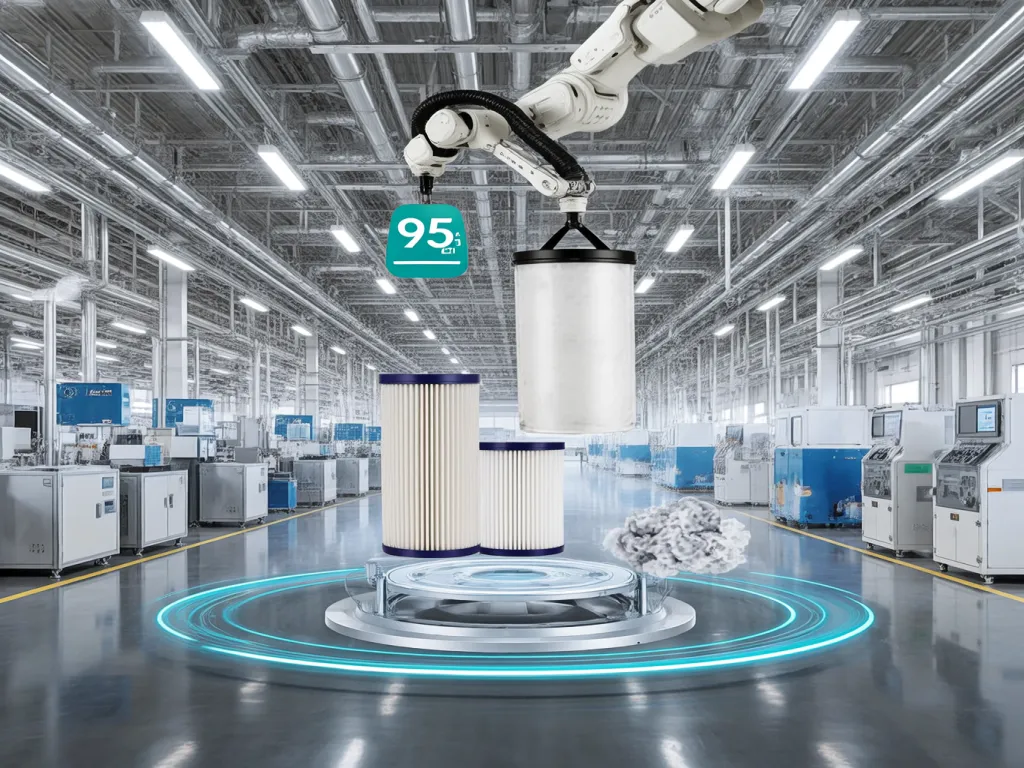
In technical terms, filtration efficiency is the ratio of the mass of particles captured by the filter to the total mass of particles in the incoming stream, expressed as a percentage. A 95% efficient filter, for example, captures 95 out of every 100 particles. Simple enough, right? But the implications are huge.
Why Does Filtration Efficiency Matter in Industry?
Let’s get real: in industries like pharmaceuticals, food processing, or chemical manufacturing, even a tiny particle can mean the difference between a safe product and a recall. High filtration efficiency ensures product purity, protects sensitive equipment from damage, and complies with strict environmental and safety regulations.
Think about it this way: would you rather spend a little more upfront on a high-efficiency filtration bag or deal with the costs of equipment failure, product contamination, or regulatory fines down the line? The answer is clear.
How is Filtration Efficiency Measured?
Now, you might be wondering, ‘How do manufacturers actually measure this?’ Great question! There are several standardized methods, but the most common involve testing filters with known particle sizes and concentrations.
- DOP (Di-Octyl Phthalate) Test: A common aerosol test where particles of a specific size (usually 0.3 microns) are generated and passed through the filter. The percentage of particles captured gives the efficiency rating.
- MPPS (Most Penetrating Particle Size) Test: This identifies the particle size that’s hardest for the filter to capture and measures efficiency at that size. It’s a more rigorous test, often used for HEPA (High-Efficiency Particulate Air) filters. For more information on HEPA filters and their standards, you can refer to the EPA’s guide on HEPA filters.
- Gravimetric Analysis: Here, particles are collected on the filter and weighed before and after testing. The weight difference determines efficiency.
Manufacturers typically provide efficiency ratings like ‘MERV’ (Minimum Efficiency Reporting Value) for air filters or ‘beta ratio’ for liquid filters. These ratings help you compare filters objectively.
Real-World Impact of Filtration Efficiency
Let’s say you’re running a food processing plant. A filter with 80% efficiency might seem ‘good enough,’ but what if a 1-micron particle slips through and contaminates a batch? The cost of recalling products, losing customer trust, and potential legal issues far outweighs the savings on a cheaper filter.
On the flip side, in a less critical application (like general ventilation), a lower-efficiency filter might suffice, saving you money without compromising safety. The key is matching efficiency to your specific needs.
Common Misconceptions About Filtration Efficiency
Before we wrap up, let’s bust a myth: ‘Higher efficiency always means better.’ Not necessarily! Ultra-high-efficiency filters (like HEPA) can restrict airflow, increasing energy costs. Sometimes, a balance between efficiency and airflow is optimal.
Also, efficiency can degrade over time as the filter loads with particles. Regular monitoring and replacement are crucial to maintaining performance.
Your Next Steps
So, how do you apply this? Start by assessing your industrial process:
- What contaminants are you dealing with?
- What’s the acceptable particle size for your application?
- Are there regulatory requirements for filtration efficiency?
Then, look for manufacturers who provide clear efficiency ratings and testing data. Don’t be afraid to ask for certificates or test reports—reputable suppliers will gladly share them.
In the end, choosing the right industrial filtration bag manufacturer isn’t just about price or brand. It’s about understanding filtration efficiency and how it directly impacts your operation’s success. Ready to make an informed choice? Let’s dive deeper into specific filter types and applications next!
Different Models of Filtration Bags: Efficiency Comparison
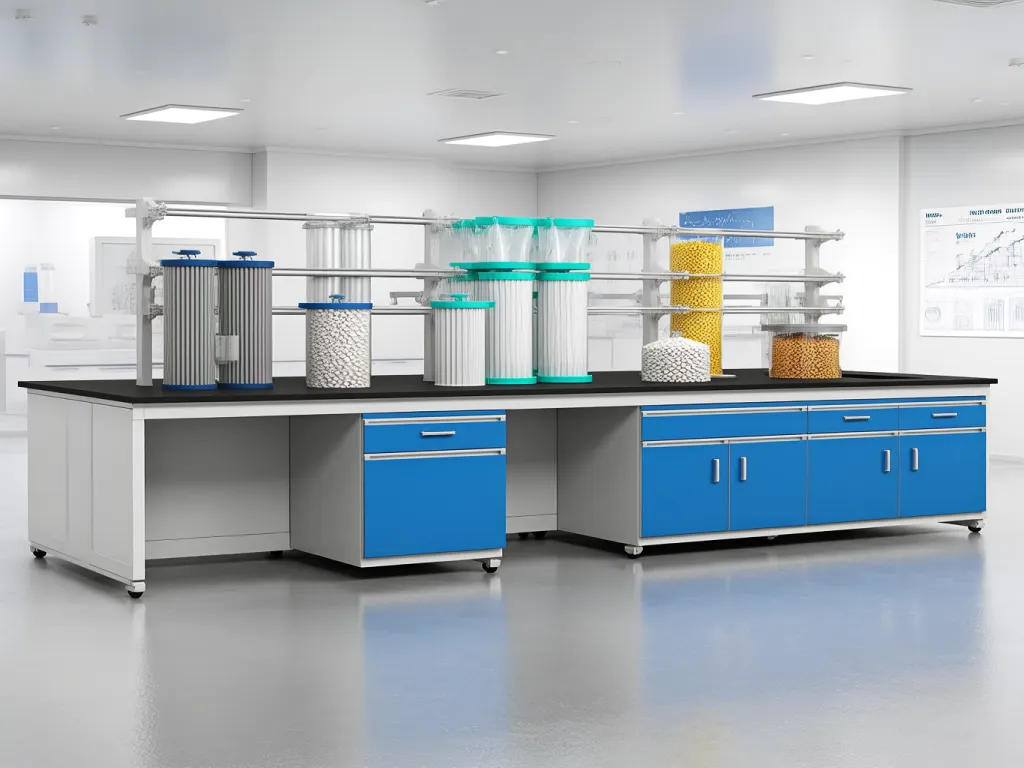
When it comes to industrial filtration, choosing the right filtration bag can make all the difference. As an industrial filtration bag manufacturer, we understand that you’re not just looking for a bag; you’re looking for a solution that maximizes efficiency while minimizing costs. So, let’s dive into the world of filtration bag models and see how they stack up in terms of efficiency. First off, let’s talk about the materials. The fiber material of a filtration bag is like the engine of a car—it’s what makes everything work. Polyester, polypropylene, and PTFE are some of the big names in the game. Polyester is known for its durability and resistance to chemicals, making it a go-to for many industrial applications. Polypropylene, on the other hand, is lightweight and has excellent moisture resistance, perfect for those humid environments. And then there’s PTFE, the superstar of high-temperature and chemical-resistant filtration. But how do these materials affect efficiency? Well, it all comes down to the fiber’s ability to capture and retain particles. A finer fiber, like those found in PTFE bags, can trap smaller particles, leading to higher filtration efficiency. However, this doesn’t mean polyester or polypropylene bags are inefficient. They have their own sweet spots, especially when it comes to cost-effectiveness and specific industrial needs. Now, let’s talk about porosity. Porosity, or the percentage of open space in the filtration bag, is like the breathability of your fabric. A higher porosity means more air can pass through, but it also means larger particles can slip through the cracks. Conversely, a lower porosity bag will trap more particles but may require more frequent cleaning or replacement due to clogging. So, how do you find the sweet spot? It depends on your application. For instance, in a food processing plant where you need to capture fine particulates, a lower porosity bag with a fine fiber material might be your best bet. But in a construction site where you’re dealing with larger dust particles, a higher porosity bag could be more efficient and cost-effective. Let’s look at some real-world data. In a recent study comparing polyester and polypropylene bags, it was found that polyester bags had a slightly higher filtration efficiency for particles smaller than 5 microns. However, polypropylene bags showed better performance in capturing larger particles, making them ideal for applications like cement production. And when it comes to PTFE bags, their high-temperature resistance and chemical stability make them the top choice for pharmaceutical and chemical industries, where even the slightest contamination can be catastrophic. But efficiency isn’t just about the bag itself. It’s also about how it fits into your system. A bag that’s too large or too small for your filtration unit can lead to inefficiencies, whether it’s through bypassing or excessive pressure drop. That’s why it’s crucial to work with an industrial filtration bag manufacturer who understands your specific needs and can provide tailored solutions. So, what’s the takeaway here? When choosing a filtration bag, don’t just go for the cheapest option or the one with the highest efficiency rating. Consider your application, the particles you’re dealing with, and how the bag’s material and porosity will affect its performance. And remember, the right bag can save you money in the long run by reducing downtime, improving product quality, and extending the life of your filtration system.
Material Matters: Polyester vs. Polypropylene vs. PTFE
Each material has its own set of advantages. Polyester is durable and chemical-resistant, making it suitable for a wide range of industrial applications. Polypropylene is lightweight and moisture-resistant, ideal for humid environments. PTFE, with its high-temperature and chemical resistance, is the go-to for pharmaceutical and chemical industries. But how do these materials translate into efficiency? It’s all about the fiber’s ability to capture particles. Finer fibers, like those in PTFE, can trap smaller particles, leading to higher efficiency. However, polyester and polypropylene have their own niches where they excel, especially when considering cost and specific industrial needs.
Porosity: Finding the Right Balance
Porosity is a critical factor in filtration efficiency. A higher porosity allows more air to pass through but may let larger particles slip through. A lower porosity traps more particles but can lead to clogging and increased maintenance. The key is to find the right balance for your application. For fine particulates, a lower porosity bag with fine fibers is ideal. For larger particles, a higher porosity bag may be more efficient and cost-effective.
Real-World Data: Polyester vs. Polypropylene Performance
Recent studies have shown that polyester bags have a slight edge in filtering particles smaller than 5 microns. However, polypropylene bags perform better with larger particles, making them suitable for industries like cement production. PTFE bags, with their high-temperature and chemical resistance, are the top choice for pharmaceutical and chemical industries where contamination is a major concern.
Application Scenario Matching: Filter Bag Models and Manufacturers for Industrial Needs
Choosing the right industrial filtration bag manufacturer isn’t just about finding a supplier—it’s about matching the perfect filtration solution to your specific industrial demands. Whether you’re dealing with harsh chemicals, sensitive food products, or stringent pharmaceutical standards, the efficiency and reliability of your filtration system can make or break your operations. Let’s dive into how different industrial scenarios demand tailored filtration bag solutions and which manufacturers excel in each area.
Chemical Industry: Corrosion Resistance and High Efficiency
In the chemical sector, filtration bags must withstand corrosive substances, high temperatures, and sometimes abrasive particles. The ideal filtration bag here is one made from durable materials like PTFE (Polytetrafluoroethylene) or Ryton, known for their chemical resistance and thermal stability. These bags often feature a high surface area and precise pore sizes to ensure maximum contaminant capture while maintaining flow rates.
Recommended Manufacturer: For chemical applications, consider manufacturers like Gore or Donaldson. Gore’s Filtratech series, for instance, offers PTFE-based bags that excel in aggressive chemical environments, providing both longevity and high filtration efficiency. Donaldson’s Torit series, on the other hand, combines advanced media technology with robust construction, ideal for heavy-duty chemical processing.
Food and Beverage Industry: Hygiene and Purity
When it comes to food and beverage production, hygiene is paramount. Filtration bags in this sector must meet strict food safety standards, ensuring no contamination or chemical leaching. Polyester or polypropylene bags with FDA-approved coatings are popular choices, offering excellent particle retention without compromising product purity.
Recommended Manufacturer: Look to manufacturers like Filtrex or Precision Filtration Products. Filtrex specializes in food-grade filtration solutions, offering bags that are not only effective but also easy to clean and sanitize. Precision Filtration’s food industry bags are designed with hygiene in mind, featuring seamless construction and materials that prevent bacterial growth.
Pharmaceutical Industry: Precision and Compliance
The pharmaceutical industry demands the highest level of filtration precision and compliance with regulatory standards. Here, filtration bags must capture even the smallest particles to ensure product purity and patient safety. Nylon or polyester bags with ultra-fine pore sizes are commonly used, often integrated into sterile filtration systems.
Recommended Manufacturer: Pall Corporation and 3M are leaders in pharmaceutical filtration. Pall’s AccuFlow series provides high-efficiency bags designed for critical pharmaceutical applications, ensuring compliance with stringent industry regulations. 3M’s Purification division offers a range of filtration solutions tailored to the pharmaceutical sector, emphasizing precision, reliability, and ease of validation.
Environmental and Waste Treatment: Durability and Capacity
In environmental and waste treatment facilities, filtration bags must handle large volumes of liquid or gas, often containing a mix of solids and contaminants. Heavy-duty needle-felt bags made from polyester or polypropylene are preferred for their durability and high dirt-holding capacity. These bags can withstand frequent cleaning cycles and high-pressure drops without compromising performance.
Recommended Manufacturer: For environmental applications, manufacturers like Camfil or BHA Group offer robust solutions. Camfil’s Farr Gold Series bags are designed for heavy-duty dust collection, featuring high-efficiency media and strong construction. BHA Group’s filtration products cater to a wide range of industrial processes, including waste treatment, offering bags that combine durability with cost-effectiveness.
By understanding the unique demands of each industrial sector, you can select filtration bags that not only meet but exceed your expectations. Remember, the right manufacturer can provide not just a product but a comprehensive filtration solution tailored to your needs. So, ask yourself: Are you getting the most out of your filtration system?
Selecting the right industrial filtration bag manufacturer is more than just a purchase decision; it’s an investment in your operational efficiency and long-term success. By considering filtration efficiency, cost-effectiveness, and reliable after-sales support, you’re setting your industrial processes up for peak performance. With the insights from this blog, you’re now equipped to make an informed choice that aligns perfectly with your unique industrial demands. Don’t let subpar filtration hold you back—take action today and explore how the right industrial filtration bag manufacturer can transform your operations. What will be your first step towards enhanced filtration efficiency?