
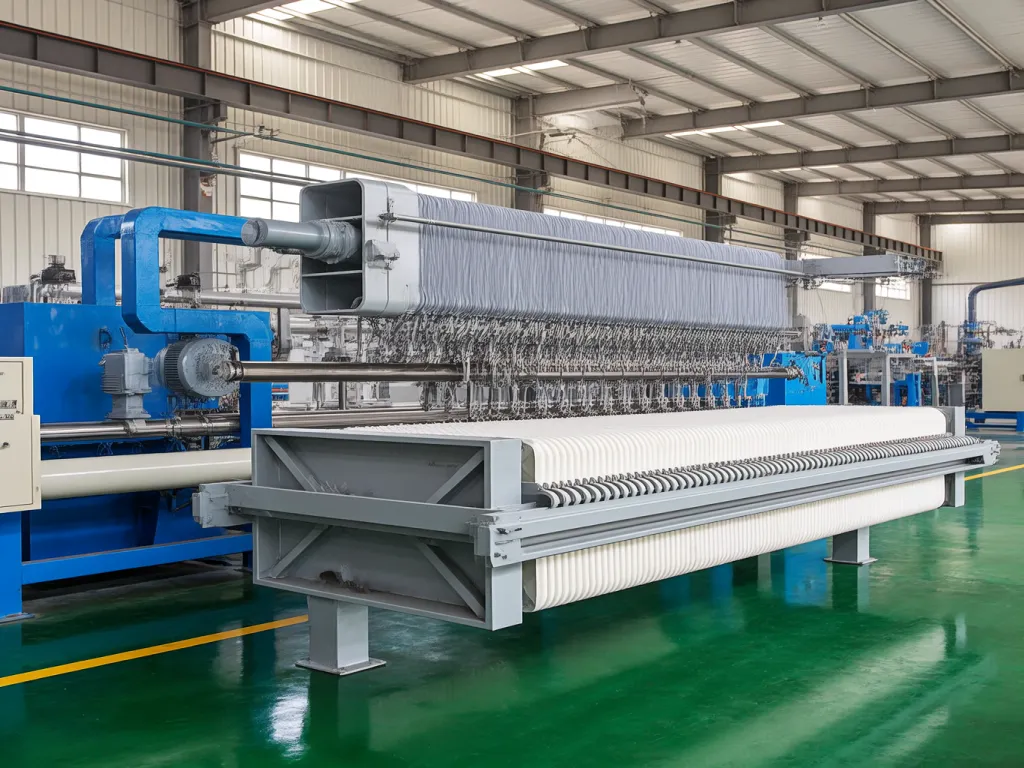

Industrial filter sacks being processed in a factory with advanced machinery

In the realm of industrial filtration, precision and efficiency are paramount. Whether you’re managing a chemical plant, a food processing facility, or a pharmaceutical operation, the right filter sacks can make all the difference. Enter filter sacks with advanced filtration technology—a game-changer for industries demanding peak performance. But how do you choose the perfect fit for your specific needs? Let’s dive in and explore the secrets to unlocking efficient industrial filtration.

Robotic arms testing filter sacks with advanced filtration technology

Analyzing Industrial Filtration Needs: Defining Your Application Scenario

When it comes to selecting filter sacks with advanced filtration technology, the first step is always to understand your specific industrial application scenario. This isn’t just about picking a product off the shelf; it’s about ensuring that the filter sacks you choose are perfectly tailored to meet the unique demands of your industrial process. So, how do you go about defining your application scenario? Let’s break it down into three key components: filtration medium, flow rate requirements, and filtration accuracy.

Understanding Filtration Medium Characteristics

The filtration medium’s characteristics play a pivotal role in determining the right filter sacks for your application. For liquids, viscosity is a key consideration. High-viscosity liquids require filter sacks with larger pores or specialized materials to prevent clogging. Chemical composition is equally important; certain chemicals can react with filter materials, leading to degradation or contamination. For gases, the focus shifts to particle size and concentration. Fine particulates demand filter sacks with high-efficiency filtration capabilities, while high concentrations may necessitate pre-filtration steps. Solids, on the other hand, require filter sacks that can handle abrasion and mechanical stress without tearing or leaking.

Assessing Flow Rate Requirements Accurately

Accurately assessing your flow rate requirements is a balancing act. You need to consider both the peak flow rate (the maximum volume of medium that needs to be filtered at once) and the average flow rate (the typical volume over a longer period). This information helps you determine the size and number of filter sacks required. It’s also important to factor in any future growth or changes in production volume. Investing in scalable filtration solutions can save you from having to replace your entire system down the line. Additionally, consider the pressure drop across the filter sacks; higher flow rates typically result in greater pressure drops, which can affect system performance.

Defining Filtration Accuracy Needs

Defining your filtration accuracy needs starts with understanding the end-use of the filtered medium. If it’s for consumption or direct contact with humans, like in the food and beverage industry, you’ll need the highest level of filtration accuracy to ensure safety and compliance with regulations. In industrial processes where the filtered medium is used as a raw material or for further processing, the accuracy requirements might be lower. However, even in these cases, maintaining a consistent level of filtration is crucial for product quality and process efficiency. Advanced filtration technologies, such as membrane filtration or electrostatic precipitation, can help you achieve the desired level of accuracy.

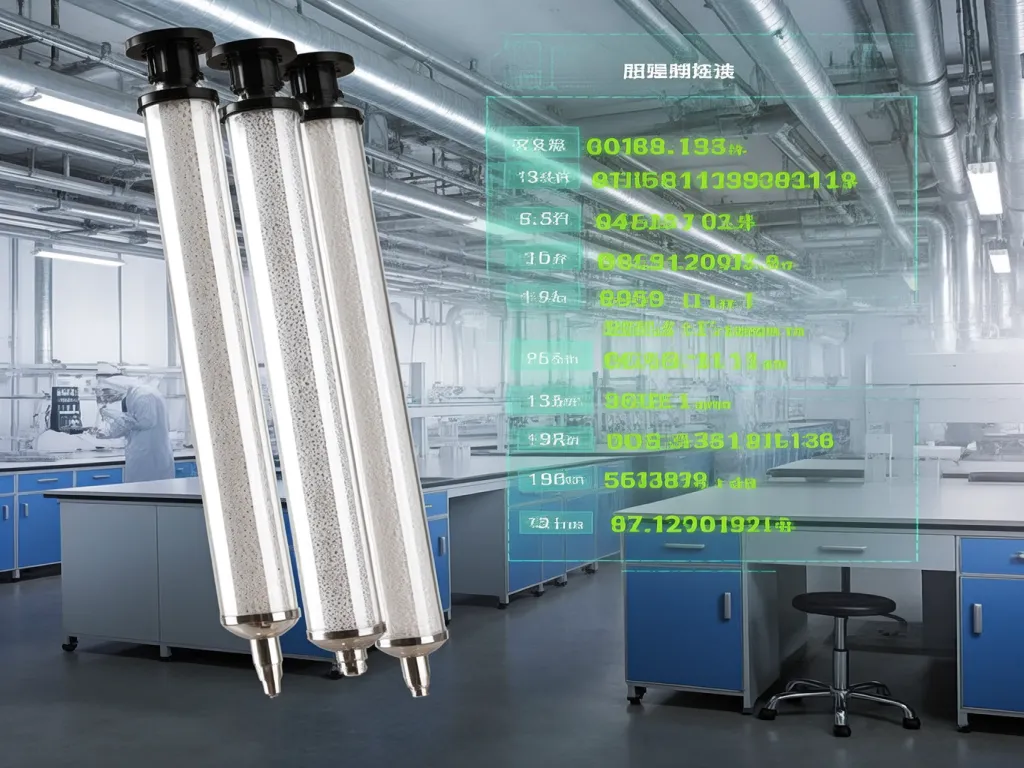
Filter sack cylinders displayed in a laboratory environment

Evaluating Filter Sacks Performance Parameters: A Deep Dive into Filtration Efficiency, Pressure Drop, and Material Durability

When it comes to selecting filter sacks with advanced filtration technology, understanding their performance parameters is crucial. These parameters not only determine the efficiency of your industrial filtration system but also influence its longevity and operational costs. So, how do you assess these key factors to ensure your filter sacks meet the demands of high-efficiency filtration? Let’s break it down.

First off, filtration efficiency is the cornerstone of any filter sack’s performance. It measures how effectively the filter captures and retains particles of a specific size range. To evaluate this, you’ll need to consider the filter’s micron rating, which indicates the smallest particle size it can trap. A lower micron rating means finer filtration but may also result in higher pressure drops and reduced flow rates. So, it’s a balancing act. You want a filter that provides the cleanliness you need without choking your system.

But how do you know if a filter sack is truly efficient? One way is to look at its beta ratio or efficiency rating. These metrics provide a numerical value representing the filter’s ability to remove contaminants. For instance, a beta ratio of 1000:1 means that for every 1000 particles of a certain size entering the filter, only one particle escapes. That’s impressive! However, keep in mind that higher efficiency often comes with a trade-off in terms of pressure drop and cost.

Speaking of pressure drop, this is another critical parameter to consider. Pressure drop, or delta P, refers to the reduction in pressure as fluid passes through the filter. A high pressure drop can strain your system, increase energy consumption, and even lead to premature filter failure. To minimize this, you’ll want a filter sack that offers low resistance to flow while still providing adequate filtration. How do you find that sweet spot? Look for filters with optimized pore structures and materials that promote smooth fluid passage.

Now, let’s talk about material durability. The lifespan of your filter sack largely depends on the quality and resilience of its construction materials. Industrial environments can be harsh, with exposure to chemicals, abrasives, and high temperatures. Therefore, you need a filter that can withstand these conditions without degrading or losing its filtration properties. Common materials used in filter sacks include polyester, polypropylene, and nylon, each with its own set of advantages and limitations.

Polyester, for example, offers excellent chemical resistance and thermal stability, making it suitable for a wide range of applications. Polypropylene, on the other hand, is known for its low moisture absorption and high tensile strength, ideal for wet or humid environments. Nylon combines durability with flexibility, allowing it to conform to various shapes and sizes. When choosing a material, consider the specific demands of your industrial process and select a filter that can handle them.

But how do you verify the durability of a filter sack? One approach is to review its certifications and test reports. Reputable manufacturers often subject their products to rigorous testing, including burst strength tests, abrasion resistance tests, and chemical compatibility tests. These reports provide valuable insights into the filter’s performance under real-world conditions. Additionally, don’t hesitate to ask for samples or trial runs to assess the filter’s durability firsthand.

In conclusion, evaluating filter sacks performance parameters requires a comprehensive understanding of filtration efficiency, pressure drop, and material durability. By considering these factors, you can select a filter that not only meets your industrial filtration needs but also optimizes system performance and reduces maintenance costs. So, the next time you’re in the market for filter sacks with advanced filtration technology, remember to dig deep into their performance parameters. Your industrial process will thank you for it!

Filtration Efficiency: The Heart of Filter Sack Performance

Filtration efficiency is the measure of a filter’s ability to capture and retain particles. It’s determined by the filter’s micron rating and beta ratio. A lower micron rating means finer filtration, but it may also increase pressure drop. The beta ratio provides a numerical value of the filter’s efficiency, helping you choose the right balance between cleanliness and flow rate.

Pressure Drop: Balancing Efficiency and Flow

Pressure drop, or delta P, is the reduction in pressure as fluid passes through the filter. High pressure drop can strain your system and increase energy consumption. To minimize this, look for filters with optimized pore structures and materials that promote smooth fluid passage. This ensures efficient filtration without compromising system performance.

Material Durability: Choosing the Right Construction

The lifespan of your filter sack depends on the quality and resilience of its materials. Industrial environments can be harsh, so choose a filter that can withstand chemicals, abrasives, and high temperatures. Common materials include polyester, polypropylene, and nylon, each with its own advantages. Review certifications and test reports to verify durability, and consider trial runs for firsthand assessment.

Filter sacks with advanced filtration technology in production process

Balancing Filtration Accuracy and Flow Rate: Exploring How to Optimize Flow While Ensuring Filtration Precision for Efficient and Stable System Operation

When it comes to industrial filtration, achieving the perfect balance between filtration accuracy and flow rate is like walking a tightrope. Too much focus on filtration accuracy, and you might end up with a clogged system that struggles to maintain a steady flow. On the other hand, prioritizing flow rate over accuracy could lead to ineffective filtration, allowing contaminants to slip through and potentially damage your equipment. So, how do you strike that delicate balance?

First things first, let’s understand why this balance is so crucial. Filtration accuracy refers to the ability of your filter sacks to capture and retain particles of a specific size. The higher the accuracy, the smaller the particles it can trap. However, this often comes at the cost of reduced flow rate. As the filter sacks become more efficient at trapping particles, they also tend to become more restrictive, slowing down the flow of the fluid being filtered.

Now, you might be thinking, ‘Why not just go for the highest accuracy possible?’ Well, it’s not that simple. In many industrial applications, a certain level of flow rate is essential to maintain system efficiency. For instance, in a chemical processing plant, a slow flow rate could lead to production delays and increased costs. On the flip side, a high flow rate with inadequate filtration could result in product contamination and equipment failure.

So, how do you find that sweet spot? It starts with understanding your specific industrial needs. What’s the nature of the fluid you’re filtering? Is it viscous or thin? What are the particle sizes you need to remove? And most importantly, what’s the acceptable flow rate for your system?

Once you have a clear picture of your requirements, you can start evaluating filter sacks with advanced filtration technology. Look for products that offer a good balance between filtration efficiency and flow rate. Some advanced filter sacks are designed with multi-layered structures that allow for high filtration accuracy without significantly impeding the flow. These sacks often incorporate innovative materials and manufacturing techniques to achieve this balance.

Another aspect to consider is the pressure drop across the filter sacks. A high pressure drop indicates that the filter is becoming clogged, which in turn reduces the flow rate. Advanced filter sacks are engineered to minimize pressure drop, ensuring a consistent flow rate over an extended period. This not only enhances system efficiency but also reduces the frequency of filter replacements, saving you time and money in the long run.

But don’t just take the manufacturer’s word for it. Conduct your own tests and trials to see how the filter sacks perform in your specific application. Monitor the flow rate, filtration accuracy, and pressure drop over time to get a comprehensive understanding of their performance.

In addition to choosing the right filter sacks, regular maintenance and cleaning are also crucial for maintaining the balance between filtration accuracy and flow rate. Over time, even the most advanced filter sacks will accumulate particles and become clogged. Regular cleaning or replacement ensures that your system continues to operate at peak efficiency.

The Role of Material Selection in Balancing Filtration and Flow

The choice of material for your filter sacks plays a pivotal role in achieving the right balance between filtration accuracy and flow rate. Different materials offer varying levels of filtration efficiency and permeability. For instance, synthetic fibers like polyester and polypropylene are known for their high filtration accuracy and durability. They can effectively trap fine particles while maintaining a relatively high flow rate. On the other hand, natural fibers like cotton may offer lower filtration accuracy but can be more permeable, allowing for a higher flow rate. The key is to select a material that aligns with your specific filtration needs and flow rate requirements.

Optimizing Filter Sack Design for Enhanced Performance

Beyond material selection, the design of the filter sacks also influences the balance between filtration accuracy and flow rate. Advanced designs incorporate features like pleated structures, which increase the surface area of the filter, allowing for higher filtration efficiency without compromising flow rate. Some filter sacks also feature gradient density structures, where the filtration efficiency increases towards the center of the sack. This design ensures that larger particles are trapped at the outer layers, while finer particles are captured deeper inside, optimizing both filtration accuracy and flow rate.

The Impact of System Configuration on Filtration and Flow

It’s not just about the filter sacks themselves; the overall system configuration also plays a significant role in achieving the right balance. Factors like the size of the filtration system, the layout of the pipes, and the positioning of the filter sacks can all impact the flow rate and filtration accuracy. For instance, a system with too many bends or restrictions in the piping can create turbulence, reducing the flow rate and potentially affecting filtration efficiency. Similarly, improper positioning of the filter sacks can lead to uneven flow distribution, causing some areas to become clogged faster than others. Therefore, it’s essential to consider the entire system configuration when striving for the optimal balance between filtration accuracy and flow rate.

Armed with the insights from this guide, selecting filter sacks with advanced filtration technology becomes a breeze. You’ve learned to assess your industrial application’s unique demands, evaluate key performance parameters, and strike the perfect balance between filtration precision and flow efficiency. By implementing these strategies, you’re not just upgrading your filtration system; you’re enhancing overall operational efficiency and reducing long-term costs. Ready to take your industrial filtration to the next level? Explore our range of advanced filter sacks today and witness the transformation firsthand. The future of efficient industrial filtration awaits—what will you filter next?

Leave a Reply

Your email address will not be published. Required fields are marked *