
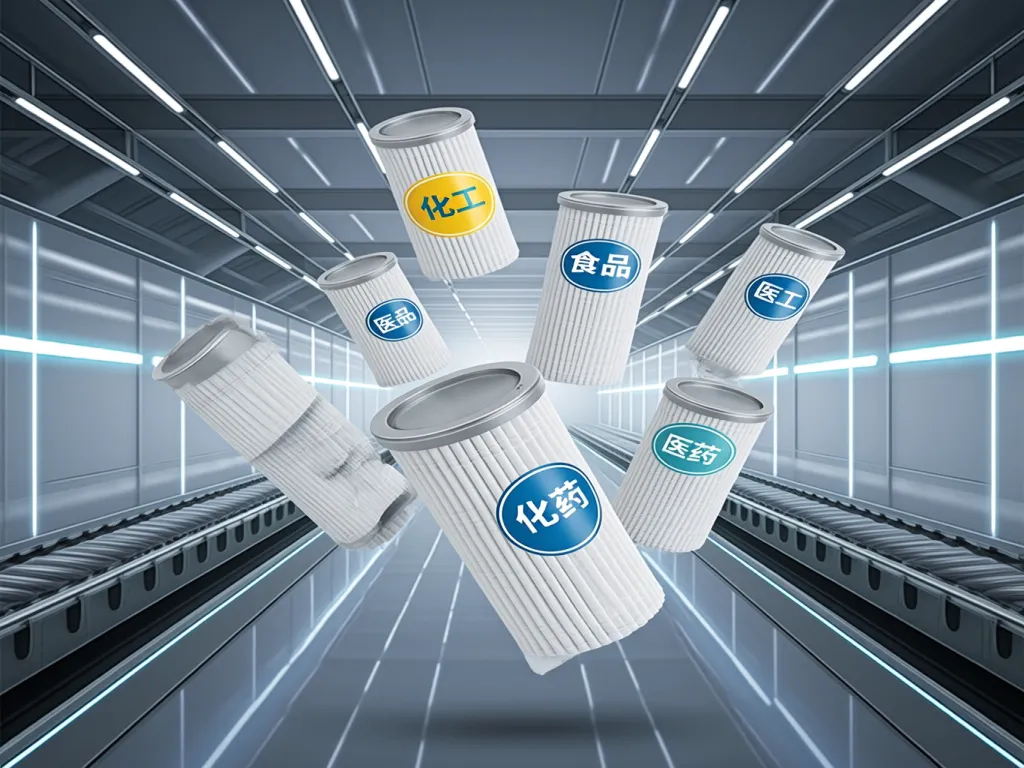
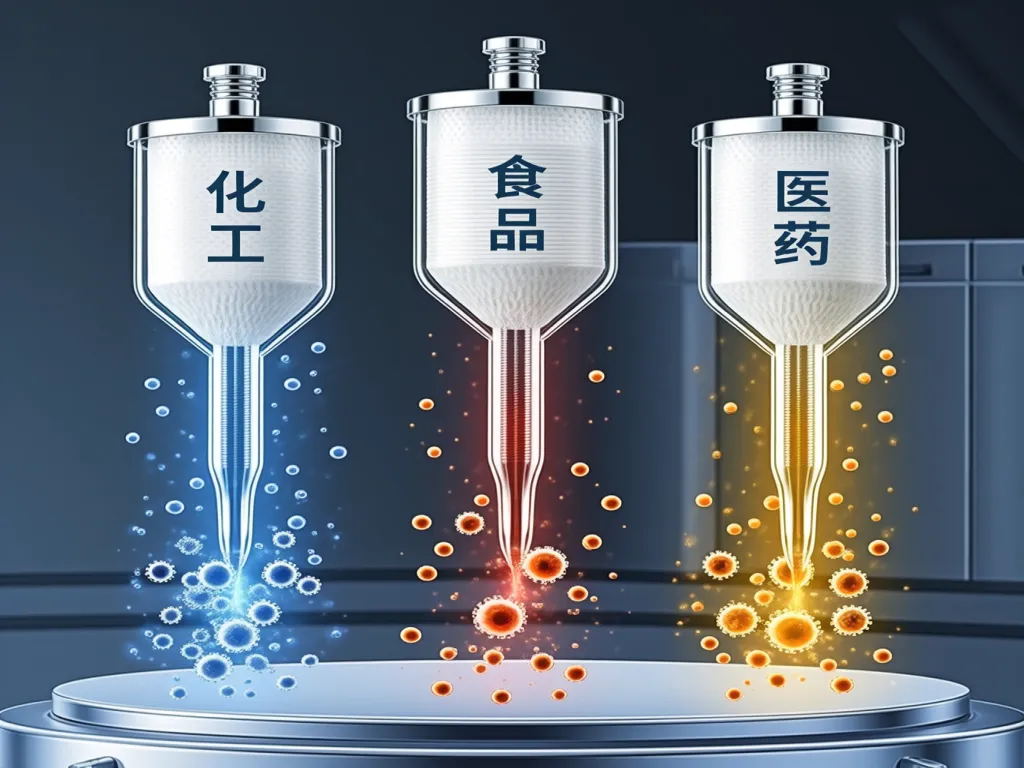
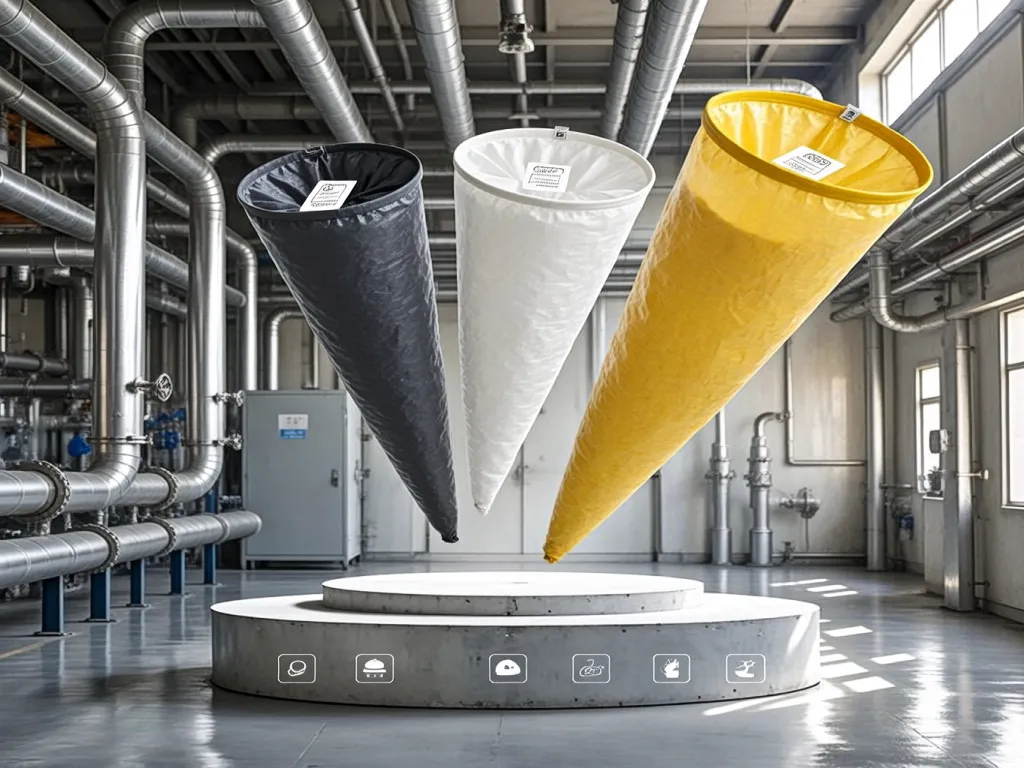
Navigating the world of industrial filtration can feel like solving a complex puzzle—especially when each application demands a unique solution. Whether you’re tackling corrosive chemicals in a chemical plant, ensuring food safety in a processing line, or maintaining sterile conditions in pharmaceuticals, one size rarely fits all. So, how do you ensure your filter sacks aren’t just good, but perfect for your specific needs? This guide dives deep into selecting filter sacks for specific industrial applications, offering tailored strategies to boost efficiency and cut costs. Ready to upgrade your filtration game?

Filter Sacks for Specific Industrial Applications: Demystifying Key Metrics
When it comes to industrial filtration, one size certainly does not fit all. The diversity of industrial processes—ranging from the harsh environments of chemical manufacturing to the precision demands of pharmaceutical production—means that filter sacks must be tailored to meet specific application needs. So, how do you navigate this complex landscape? Let’s dive into the key metrics that define filter sack performance across different industries: filtration accuracy, corrosion resistance, and temperature adaptability.
Chemical Industry: Battling Corrosion and High Temperatures
In the chemical sector, filter sacks face a double whammy: corrosive substances and extreme temperatures. Here, filtration accuracy is crucial, but not at the expense of durability. Chemicals can degrade materials quickly, so selecting filter sacks with high corrosion resistance is paramount. Polymers like polypropylene and PTFE (Teflon) often shine in these scenarios due to their inherent chemical inertness. But what about temperature? Many chemical processes operate at elevated temperatures, requiring filter sacks that can withstand heat without losing structural integrity. Look for materials rated for high-temperature applications, ensuring your filtration system remains efficient and safe under intense conditions.
Food Processing: Purity and Precision
Move over to the food processing industry, and the priorities shift dramatically. Here, the focus is on purity and preventing contamination. Filtration accuracy becomes the star of the show, as even minute particles can compromise food safety and quality. Stainless steel filters or food-grade polyester might be preferred for their ability to maintain hygiene standards while effectively capturing unwanted solids. Corrosion resistance is still important, but in a different context—protecting against food acids and cleaning agents. Temperature adaptability also matters, especially in processes involving hot liquids or steam sterilization. Choosing filter sacks that can handle these conditions without leaching harmful substances is non-negotiable.
Pharmaceutical Industry: Sterility and Microfiltration
Step into the pharmaceutical realm, and the stakes are even higher. Sterility is the name of the game, demanding filter sacks capable of microfiltration to remove bacteria, viruses, and other microorganisms. Filtration accuracy here is measured in microns, with requirements often dipping below 1 micron. Materials like nylon or polyethersulfone (PES) are popular choices for their excellent chemical stability and ability to achieve high levels of filtration without clogging. Corrosion resistance takes on a new meaning, focusing on preventing any interaction between the filter material and the pharmaceutical products. And let’s not forget temperature control—many pharmaceutical processes require precise temperature management to maintain product efficacy, making filter sacks that can operate within tight temperature ranges essential.
Beyond the Basics: Tailoring to Your Unique Needs
While these industry-specific guidelines provide a solid foundation, remember that every application is unique. Factors like the concentration of particulates, flow rates, and even the physical shape of particles can influence your filter sack selection. Have you ever considered how the design of the filter sack—whether it’s pleated, flat, or has a specific pore structure—can impact its performance in your specific setup? It’s these nuances that separate good filtration from great filtration, optimizing efficiency and reducing maintenance costs over time.
Understanding Filtration Accuracy
Filtration accuracy, often referred to as filtration rating or micron rating, is a critical factor in selecting the right filter sack. It defines the size of particles the filter can effectively capture. For instance, in the chemical industry, you might need a filter sack with a 5-micron rating to remove larger contaminants, whereas in pharmaceuticals, a 0.2-micron rating could be necessary for sterilization. Understanding your process’s specific particle size distribution is key to making an informed choice.
Corrosion Resistance: A Material Science Perspective
Corrosion resistance isn’t just about preventing rust; it’s about ensuring the filter material doesn’t react with the substances it’s filtering. In the food industry, this means resisting acids from fruits or vegetables. In chemicals, it’s about withstanding harsh solvents. Materials like PTFE excel here due to their low surface energy and chemical inertness. But don’t overlook the importance of proper installation and maintenance—even the most corrosion-resistant material can fail if not handled correctly.
Temperature Adaptability: More Than Just Heat
Temperature adaptability goes beyond withstanding high temperatures. It also involves maintaining performance at low temperatures, which can be crucial in cold storage or refrigerated processing environments. Some filter materials may become brittle at low temps, leading to cracks and leaks. Others might expand or contract excessively with temperature fluctuations, affecting filtration efficiency. Choosing a material with a wide operating temperature range ensures consistent performance across varying conditions.

Material Comparison: Polyester, Polypropylene, and Nylon Filter Sacks for Industrial Applications
When it comes to selecting the right filter sacks for specific industrial applications, understanding the differences in material properties is crucial. Each material—polyester, polypropylene, and nylon—offers unique advantages and limitations that directly impact durability, chemical stability, and cost-effectiveness. Let’s dive into a detailed comparison to help you make an informed decision.
Polyester Filter Sacks: Durability Meets Versatility
Polyester is a popular choice for industrial filter sacks due to its excellent balance of strength and flexibility. It boasts high tensile strength, making it resistant to tearing and abrasion, which is essential in harsh industrial environments. Polyester filter sacks also perform well under varying temperatures, typically withstanding continuous use up to 130°C (266°F). This makes them suitable for applications involving moderate heat, such as in cement plants or metal processing facilities. For more on industrial bag filters that excel in diverse industries, check out our high-performance industrial bag filters.
Chemically, polyester is stable against most acids and alkalis, though it may degrade when exposed to strong oxidizing agents. Its resistance to hydrolysis (water breakdown) is moderate, meaning it can handle moist environments but isn’t ideal for prolonged exposure to steam or high-humidity conditions without proper treatment.
From a cost perspective, polyester filter sacks offer good value. They are generally more affordable than nylon while providing superior durability compared to polypropylene in many scenarios. This makes them a cost-effective solution for industries where a balance between performance and budget is necessary.
Polypropylene Filter Sacks: Lightweight and Cost-Effective
Polypropylene is known for its lightweight nature and chemical inertness. It is highly resistant to acids, alkalis, and solvents, making it an excellent choice for chemical processing industries. However, its lower melting point (around 160-170°C or 320-338°F) limits its use in high-temperature applications. Polypropylene filter sacks are best suited for environments where the operating temperature remains below this threshold. Our high-performance filter bags for industrial dust collectors can provide more insights into such applications.
In terms of durability, polypropylene is less robust than polyester or nylon. It is prone to UV degradation if exposed to sunlight for extended periods, which can be a concern in outdoor applications. Despite this, its low cost and chemical resistance make it a preferred option for industries like wastewater treatment, where budget constraints are significant, and chemical exposure is high.
Nylon Filter Sacks: Strength and Thermal Stability
Nylon stands out for its exceptional strength and thermal stability. It can withstand higher temperatures than polyester, often up to 200°C (392°F), making it ideal for high-temperature applications such as in foundries or power plants. Nylon filter sacks also exhibit excellent abrasion resistance and can handle rough handling without compromising performance. If you’re looking for a high-efficiency dust collection solution, our high-efficiency filter bag could be a great option.
Chemically, nylon is stable against most organic solvents and oils but can be affected by strong acids and alkalis. Its resistance to hydrolysis is superior to polyester, allowing it to perform well in humid or wet conditions. However, the higher cost of nylon filter sacks can be a limiting factor for some industries, especially when large quantities are required.
Choosing the Right Material for Your Industrial Environment
Selecting the optimal material for your filter sacks depends on several factors, including the operating temperature, chemical exposure, and budget. If your application involves moderate heat and requires a balance between cost and durability, polyester is an excellent choice. For chemical-intensive environments with lower temperature requirements, polypropylene offers cost-effective protection. Meanwhile, nylon is the go-to material for high-temperature applications demanding superior strength and thermal stability. For an industrial bag filter that combines high efficiency with cost-effectiveness, consider our high-efficiency, cost-effective industrial bag filter.
By carefully considering these material properties, you can ensure that your filter sacks not only meet the specific demands of your industrial application but also provide long-lasting performance and cost efficiency.

Case Study: Selecting Filter Sacks Based on Particle Characteristics
Choosing the right filter sacks for your industrial application isn’t just about grabbing the first option off the shelf. It’s a nuanced process that requires a deep understanding of the particles you’re dealing with—their size, shape, and concentration. Let’s dive into some real-world examples to see how these factors influence the selection of filter sacks, ensuring you get peak performance while keeping maintenance costs in check.
Fine Particles, Smaller Pores
When dealing with fine particles, the key is to choose filter sacks with smaller pores. This prevents the particles from slipping through, ensuring cleaner filtration. A chemical plant’s switch to micro-pore filter sacks serves as a perfect example, showcasing how a seemingly small change can lead to significant improvements in product quality and maintenance costs.
Irregular Shapes, Flexible Designs
For particles with irregular shapes, flexibility and a larger pore size are essential. A food processing plant’s adoption of filter sacks with a reinforced, flexible design highlights how accommodating the particle shape can enhance filtration efficiency and reduce the need for frequent replacements.
High Concentration, Robust Materials
In environments with high particle concentrations, the durability of the filter sack material becomes critical. A mining company’s experience with robust, high-tensile filter sacks demonstrates how the right material choice can withstand intense particle loads, minimizing downtime and maintenance expenses.
Choosing the right filter sacks for specific industrial applications isn’t just about meeting standards—it’s about unlocking peak performance tailored to your unique needs. From analyzing material durability to optimizing pore sizes and structural designs, we’ve covered the essentials to empower your decision-making. Remember, the right filter sack can slash maintenance costs, extend equipment lifespan, and even enhance product quality. So, what’s your next move? Dive deeper into our industrial filter sack selection guide or explore customized solutions for your sector. The future of efficient filtration starts with you—take the leap and transform your operations today!