
Filter Sacks Guide: Compare Key Performance Factors
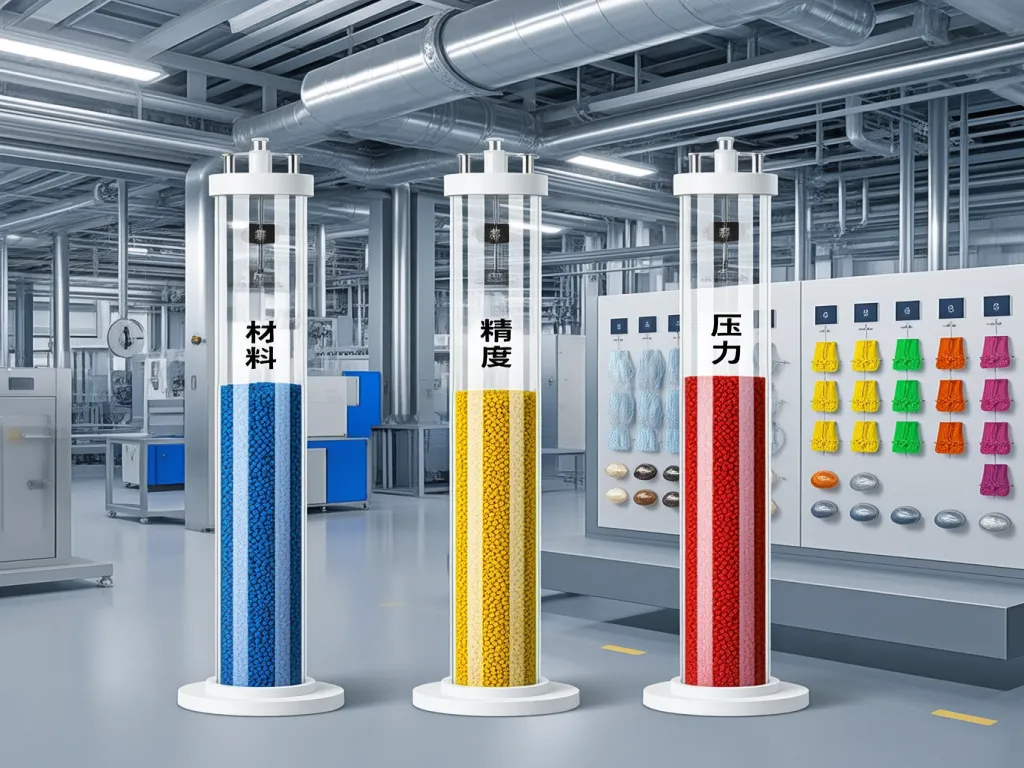
When it comes to industrial filtration, the right filter sacks can make or break your system’s efficiency. From handling harsh chemicals to maintaining consistent flow rates, every detail matters. But how do you sift through the options and pinpoint the perfect fit for your needs? In this guide, we’ll dive deep into the critical factors—material composition, filtration accuracy, and pressure dynamics—that shape filter sack performance. Ready to upgrade your filtration game? Let’s get started.
Material Impact on Performance: Filter Sacks Explored
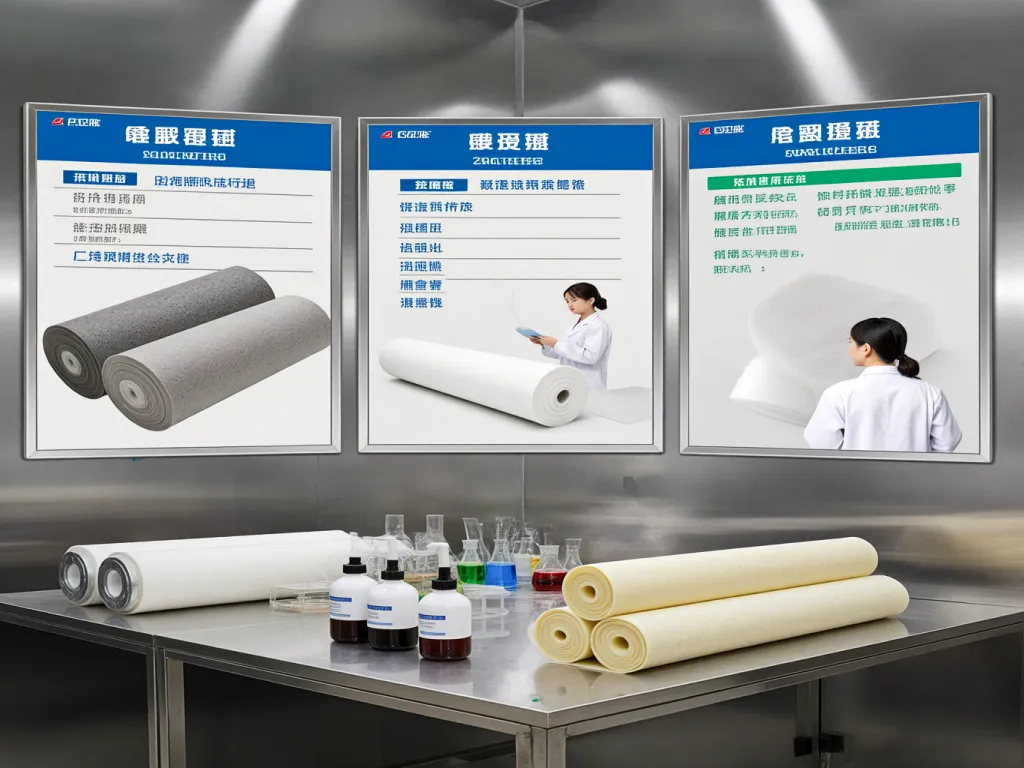
When it comes to selecting the perfect filter sacks for your industrial applications, understanding the impact of different materials on performance is crucial. After all, the right choice can significantly enhance filtration efficiency, chemical resistance, and overall longevity. Let’s dive into how materials like polyester, polypropylene, and nylon influence these key performance metrics.
Polyester filter sacks are a popular choice due to their excellent balance of strength and flexibility. This material boasts high tensile strength, making it resistant to tearing and puncturing, which is vital in harsh industrial environments. From a filtration efficiency standpoint, polyester offers fine particle retention, often achieving high filtration rates for particles in the 1-10 micron range. Its chemical resistance is commendable too, standing up well against a variety of acids, bases, and solvents. However, prolonged exposure to strong oxidizing agents might degrade its performance over time. When it comes to lifespan, polyester filter sacks tend to have a moderate to long service life, depending on the operating conditions and maintenance practices.
Polypropylene filter sacks, on the other hand, excel in environments where chemical resistance is paramount. This material is inherently resistant to most acids, alkalis, and organic solvents, making it ideal for applications involving corrosive substances. In terms of filtration efficiency, polypropylene provides good particle capture, especially for coarser particles above 10 microns. While its tensile strength is slightly lower than polyester, it compensates with excellent flexibility and resistance to abrasion. The lifespan of polypropylene filter sacks can be impressive, especially in less abrasive environments, though they may degrade faster under high temperatures or when exposed to certain strong chemicals.
Nylon filter sacks offer a unique blend of properties, combining high strength with excellent abrasion resistance. This material is particularly suited for applications where mechanical stress is a concern, as it can withstand significant pulling and stretching forces without compromising filtration integrity. Nylon’s filtration efficiency is on par with polyester for fine particles, and it also demonstrates good resistance to a wide range of chemicals, though it may not perform as well as polypropylene in highly corrosive settings. The lifespan of nylon filter sacks is generally long, provided they are not subjected to extreme temperatures or prolonged chemical exposure that could weaken the fibers over time.
Filtration Efficiency Across Materials
The filtration efficiency of filter sacks varies not just by material but also by the specific construction and weave pattern. Polyester, with its tight weave, can achieve high filtration rates for fine particles, making it suitable for applications requiring precise filtration. Polypropylene, while excellent for coarser particles, may require a denser weave or additional layers to match polyester’s fine particle retention. Nylon, with its balanced properties, offers consistent filtration across a broad range of particle sizes, making it a versatile choice. For more insights into filtration efficiency metrics, you may refer to industry-standard testing protocols.
Chemical Resistance: A Material-Specific Trait
Chemical resistance is a critical factor in many industrial filtration applications. Polyester shows good resistance to a wide array of chemicals but may falter under strong oxidizing agents. Polypropylene shines in corrosive environments, resisting most acids, bases, and solvents with ease. Nylon, while chemically stable, requires careful consideration in highly acidic or alkaline settings, where its performance might not match that of polypropylene.
Lifespan Considerations: Balancing Durability and Environment
The lifespan of filter sacks is influenced by both the material’s inherent properties and the operating environment. Polyester and nylon, with their high tensile strength, tend to have longer lifespans in mechanically stressful conditions. Polypropylene, though chemically resistant, may have a shorter lifespan in abrasive or high-temperature environments. Proper maintenance, including regular cleaning and inspection, can significantly extend the service life of any filter sack material.
Filter Precision and Efficiency Analysis: A Detailed Comparison of Filter Sacks
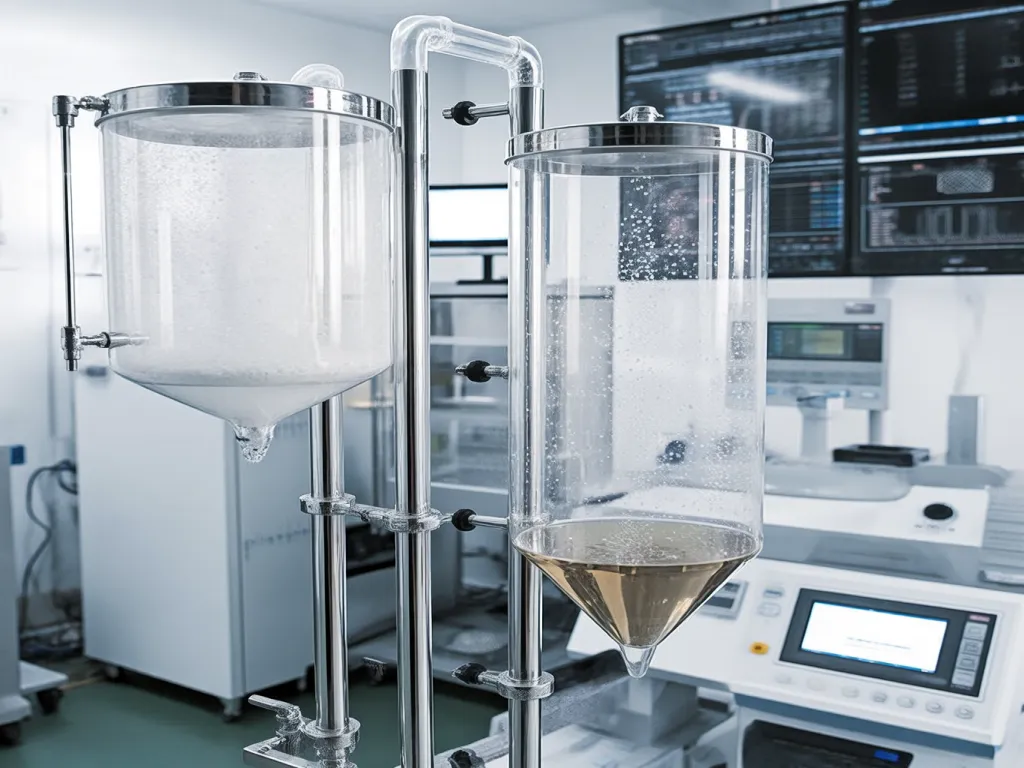
When it comes to industrial filtration, the choice of filter sacks can significantly impact both the precision and efficiency of your operations. Filter sacks, available in various materials and designs, offer a range of filtration capabilities measured in microns. But how do you determine which filter sack is the best fit for your specific industrial needs? Let’s dive into a detailed comparison of filter sacks based on their filtration precision and efficiency.
Firstly, it’s crucial to understand what filtration precision means. Essentially, it refers to the smallest particle size that a filter sack can effectively capture. This is typically measured in microns (µm), where a lower micron rating indicates a finer filtration capability. For instance, a 1-micron filter sack will trap much smaller particles than a 10-micron one. However, finer filtration doesn’t always mean better; it depends on your specific industrial application. For high-efficiency industrial filtration solutions, consider exploring our high-efficiency bag filters.
Now, let’s talk about filtration efficiency. This metric measures how effectively a filter sack removes particles from the fluid stream. A high-efficiency filter sack will capture a greater percentage of particles within its rated micron range. But again, the ‘best’ efficiency level varies by application. Some processes may require ultra-high efficiency to meet stringent quality standards, while others might prioritize cost-effectiveness over marginal efficiency gains.
So, how do you choose the right filter sack for your needs? Start by assessing your industrial process’s requirements. Are you dealing with fine particulates that demand sub-micron filtration? Or are larger particles the primary concern, allowing for a coarser filter?
Consider the example of a food processing plant. Here, the goal might be to remove fine impurities from a liquid product. A filter sack with a 1-5 micron rating and high filtration efficiency would be ideal to ensure product purity. On the other hand, a construction site dealing with concrete slurry might opt for a 10-20 micron filter sack, prioritizing durability and flow rate over ultra-fine filtration. For air filtration needs, you might also be interested in our high-efficiency air filtration solutions.
It’s also worth noting that filter sack efficiency can be influenced by factors beyond just micron rating. The design of the filter sack, including its surface area, pleat depth, and media type, all play a role. A well-designed filter sack with a larger surface area can maintain high efficiency even as it captures more particles, reducing the frequency of replacements and downtime.
Moreover, don’t overlook the importance of compatibility with your existing filtration system. Some filter sacks may require specific housing or flow rates to operate optimally. Ensuring compatibility can prevent issues like premature clogging or reduced system performance.
In conclusion, selecting the right filter sack involves a careful balance between filtration precision, efficiency, and your specific industrial needs. By understanding the micron ratings, efficiency levels, and design considerations, you can make an informed decision that enhances your process’s effectiveness and cost-efficiency. Remember, the ‘best’ filter sack isn’t a one-size-fits-all solution; it’s the one that aligns perfectly with your unique requirements.
Understanding Micron Ratings in Filter Sacks
Micron ratings are the backbone of filter sack selection. They indicate the smallest particle size that the filter can trap. For instance, a 5-micron filter sack will block particles larger than 5 microns, allowing smaller ones to pass through. This is crucial in industries like pharmaceuticals, where even tiny contaminants can affect product quality. But remember, a lower micron rating doesn’t always equate to better performance; it depends on what you’re filtering out.
The Role of Filtration Efficiency
Filtration efficiency measures how well a filter sack removes particles within its rated micron range. A filter with 95% efficiency will capture 95 out of every 100 particles of the specified size. High-efficiency filters are vital in applications requiring strict purity levels, such as semiconductor manufacturing. However, they might come at a higher cost and require more frequent replacements due to faster clogging.
Balancing Precision and Flow Rate
While finer filtration offers better purity, it can also reduce the flow rate through the filter sack. This is because smaller pores restrict the passage of fluid, potentially slowing down your process. In applications where speed is crucial, like wastewater treatment, you might need to compromise on filtration precision to maintain an acceptable flow rate. It’s all about finding the sweet spot between cleanliness and efficiency.
Pressure Loss & Flow Characteristics: Optimizing System Design with Filter Sacks
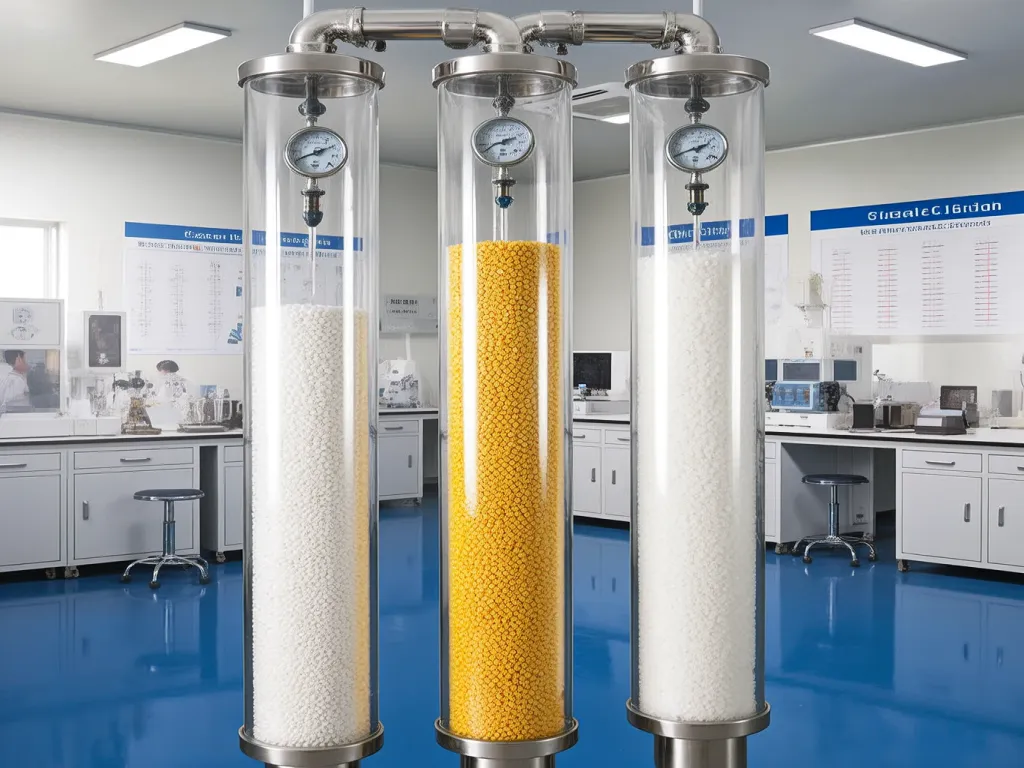
When it comes to industrial filtration, understanding how filter sacks perform under high-pressure conditions is crucial. Pressure loss, often referred to as pressure drop, occurs when fluid flows through a filter sack, causing a reduction in pressure from the inlet to the outlet. This phenomenon directly impacts system flow rates and overall efficiency. So, how do different filter sacks fare in this regard? Let’s dive into the details. Firstly, it’s essential to recognize that pressure loss isn’t uniform across all filter sack materials. Polyester, polypropylene, and nylon, the most common materials used, each exhibit unique pressure loss characteristics. For instance, polyester filter sacks, known for their durability and chemical resistance, may have a higher initial pressure drop compared to polypropylene ones. However, polyester’s ability to maintain structural integrity under prolonged high-pressure conditions can lead to more stable long-term pressure loss performance. Polypropylene filter sacks, on the other hand, often boast lower initial pressure drops. This makes them attractive for applications where minimizing energy consumption is a priority. But here’s the catch: polypropylene can be more prone to deformation under sustained high pressure, potentially leading to increased pressure loss over time as the filter sack compacts or the pores clog. Nylon filter sacks occupy a middle ground, offering a balance between initial pressure drop and long-term stability. Their robustness allows them to withstand higher pressures without significant deformation, making them suitable for demanding industrial environments. Now, let’s talk about how pressure loss affects system flow. In any filtration system, the pressure differential across the filter sack drives the flow of fluid. As pressure loss increases, the available driving force decreases, resulting in reduced flow rates. This can have several implications: decreased production rates, increased energy consumption (as pumps work harder to maintain flow), and potentially, shorter filter sack lifespans due to accelerated clogging. To mitigate these issues, system designers must carefully consider the pressure loss characteristics of filter sacks when selecting them for a specific application. This involves not just looking at the initial pressure drop but also understanding how the filter sack’s performance will evolve over time under expected operating conditions. For example, in a high-pressure chemical processing plant, choosing a polyester filter sack with a slightly higher initial pressure drop but excellent long-term stability might be more cost-effective than opting for a polypropylene one that initially offers lower pressure loss but degrades quickly.
Material-Specific Pressure Loss Profiles
Each filter sack material – polyester, polypropylene, and nylon – has its own pressure loss profile. Polyester, with its strong fibers, tends to have a higher initial pressure drop but maintains this level better over time. Polypropylene, being softer, starts with a lower pressure drop but can see a steeper increase as it compacts under pressure. Nylon strikes a balance, offering moderate initial pressure loss and good long-term stability. Understanding these profiles helps in selecting the right material for your specific pressure and flow requirements. For further insights on material selection and performance, you may refer to industry-specific studies or consult with filtration experts.
Impact of Pressure Loss on System Efficiency
Pressure loss directly affects system efficiency. As pressure drop across the filter sack increases, the pump must work harder to maintain the desired flow rate, consuming more energy. This not only raises operational costs but can also lead to increased wear and tear on system components. Moreover, reduced flow rates can slow down production processes, affecting overall productivity. Therefore, minimizing pressure loss is key to maintaining system efficiency and reducing costs.
Strategies for Pressure Loss Management
Managing pressure loss involves several strategies. Regularly monitoring pressure differentials across filter sacks helps identify when replacement is needed. Selecting filter sacks with appropriate pressure loss characteristics for your application is crucial. Additionally, considering pre-filtration or multi-stage filtration systems can reduce the load on individual filter sacks, thereby lowering overall pressure loss. Implementing these strategies ensures that your filtration system operates at peak efficiency, minimizing pressure loss and maximizing flow rates.
Selecting the ideal filter sacks isn’t just about numbers; it’s about aligning material durability, filtration precision, and flow efficiency with your industrial demands. By weighing these factors, you’ll unlock higher productivity and lower maintenance costs. Whether you’re refining chemical processes or optimizing manufacturing lines, the insights here empower smarter decisions. Want tailored advice for your setup? Reach out today—and keep exploring how advanced filtration can transform your operations.
Related Product
-
 Select options This product has multiple variants. The options may be chosen on the product page
Industrial Bag Filter – High-Efficiency Solution for Air Filtration
Designed for Durable Industrial Fabric Filtration¥10.00 Select options This product has multiple variants. The options may be chosen on the product page -
Select options This product has multiple variants. The options may be chosen on the product page
Industrial Bag Filter – High Efficiency & Cost-Effective Filtration Solution
Ideal for Cement Dust & Industrial Particulate Control¥3.50 Select options This product has multiple variants. The options may be chosen on the product page