
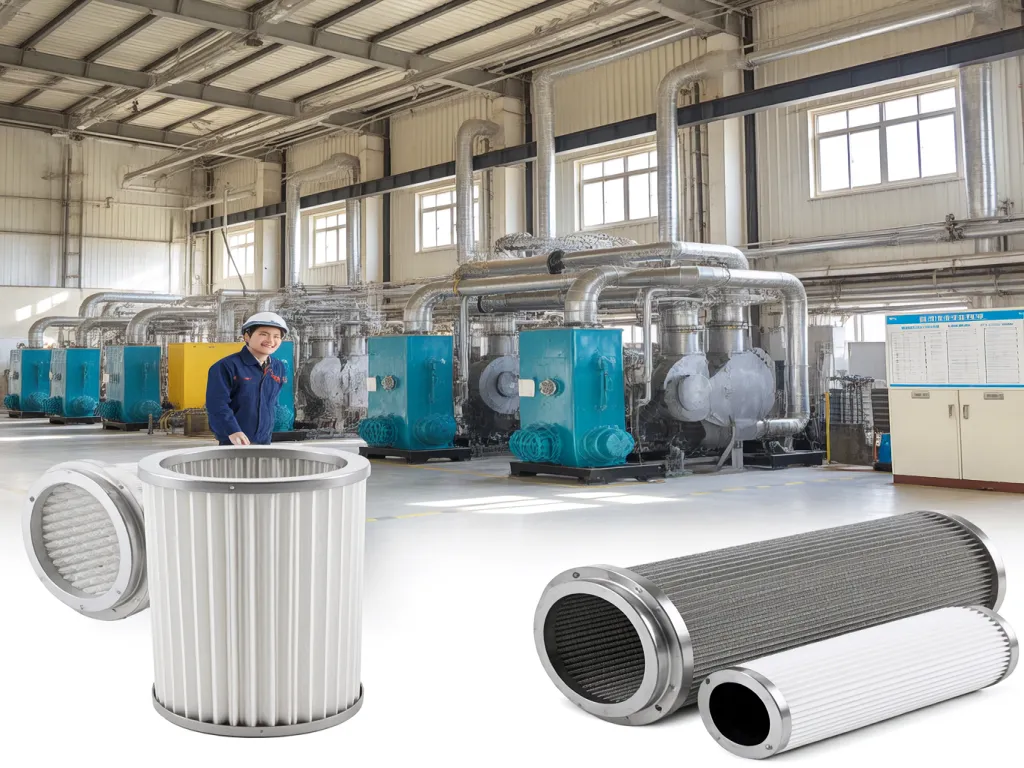
Для операторов электростанций вид поврежденного фильтровального мешка может привести к снижению затрат на простои, неэффективные операции и непредвиденные расходы. Но что, если вы можете снизить эти риски? Понимание Как предотвратить повреждение фильтровального мешка на электростанциях? Речь идет не только об экономии денег; речь идет об обеспечении бесперебойных рабочих процессов и максимальном увеличении срока службы оборудования. В этом руководстве мы разложим основные причины отказов фильтровальных мешков и вооружим вас действенными стратегиями, позволяющими сохранить их в целости и сохранности. Готовы изменить свой режим технического обслуживания?
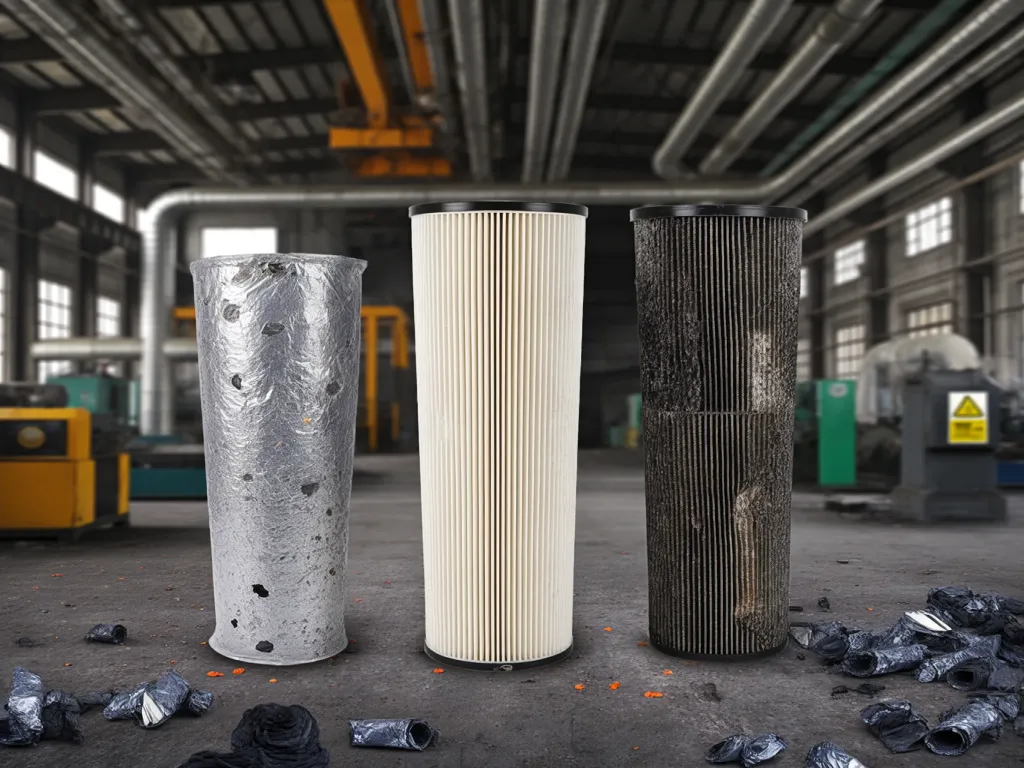
Общие причины повреждения мешков с фильтрами: понимание свойств материалов, эксплуатационных сбоев и факторов окружающей среды
As someone deeply involved in the industrial filtration sector, I’ve seen firsthand how crucial filter bags are to the smooth operation of power plants. Yet, despite their importance, filter bags often face premature damage, leading to costly downtimes and replacements. So, what’s causing this wear and tear? Let’s dive into the common culprits, starting with material properties, moving on to operational mishaps, and finally, environmental factors. Understanding these root causes is the first step toward effective prevention.
Material Properties: The Silent Culprit
The characteristics of the materials being filtered play a significant role in the lifespan of filter bags. For instance, abrasive particles can act like sandpaper, gradually wearing down the fabric fibers. Imagine filtering coal dust or silica – these tiny, sharp particles can embed themselves into the filter bag, causing micro-tears that expand over time. But it’s not just about abrasion; chemical reactivity is another concern. Certain materials, when in contact with specific chemicals present in the gas stream, can react, leading to degradation of the filter bag material. For example, polyester filter bags might not fare well in environments with high concentrations of oxidizing agents, as these can cause the fabric to weaken and break down faster.
Moreover, the moisture content of the material being filtered can’t be overlooked. High humidity levels can lead to condensation inside the filter bag, creating a damp environment that fosters microbial growth. This not only clogs the pores, reducing filtration efficiency but also weakens the fabric structure over time. Have you ever noticed how a wet cloth becomes more fragile when dried? The same principle applies here, albeit on a microscopic level.
Operational Mishaps: Human Error and Beyond
Now, let’s talk about operational mishaps. These are often the result of human error or inadequate maintenance practices. One common mistake is improper installation. If a filter bag isn’t seated correctly in its housing, it can rub against the frame or other components, causing friction and, eventually, holes. It’s like wearing shoes that don’t fit – they’ll cause blisters and discomfort, and similarly, a poorly installed filter bag will suffer. Choosing the right industrial filter bag, such as those detailed здесь, can also mitigate installation issues.
Another operational issue is neglecting regular inspections and replacements. Filter bags, like any other component, have a finite lifespan. Continuously running them beyond their recommended usage period can lead to catastrophic failures. It’s akin to driving a car without ever changing the oil – eventually, the engine will seize up. Regular checks can identify early signs of wear, allowing for timely replacements before a minor issue escalates into a major problem.
Overloading the system is yet another operational pitfall. Pushing the filter system beyond its designed capacity can lead to excessive pressure differentials, causing the filter bags to stretch and potentially rupture. It’s like trying to fit too much luggage into an already full suitcase – something’s got to give, and in this case, it’s the integrity of the filter bag.
Environmental Factors: The Unseen Forces
Lastly, environmental factors play a significant role in filter bag longevity. Temperature extremes, both high and low, can affect the material properties of the filter bags. High temperatures can cause thermal degradation, making the fabric brittle and prone to cracking. On the other hand, extremely cold environments can make the fabric stiff and less flexible, increasing the risk of tears during operation.
Corrosive gases in the environment are another environmental hazard. These gases can react with the filter bag material, leading to chemical degradation. For instance, in power plants burning certain types of coal, sulfur dioxide (SO2) emissions can be a concern. SO2 can react with moisture to form sulfuric acid, which is highly corrosive and can eat away at the filter bag fabric over time.
Lastly, let’s not forget about the impact of particulate size distribution. Fine particles can penetrate deeper into the filter bag, clogging the pores and reducing airflow. This not only decreases filtration efficiency but also increases the pressure drop across the filter, putting additional strain on the bag and accelerating wear.
Свойства материала в деталях
Когда дело доходит до свойств материала, речь идет не только о типе частиц, но и об их размере, форме и концентрации. Более мелкие и острые частицы имеют тенденцию причинять больший ущерб, чем более крупные и круглые. Аналогичным образом, высокие концентрации частиц могут переполнить фильтровальный мешок, что приводит к более быстрому засорению и увеличению износа. Важно понимать конкретные характеристики фильтруемых материалов и соответствующим образом выбирать фильтровальные мешки.
Лучшие оперативные практики
Для смягчения эксплуатационных сбоев крайне важно установить и следовать передовым практикам. Это включает в себя надлежащие методы установки, регулярные проверки и своевременную замену. Обучение персонала правильному обращению и техническому обслуживанию фильтровальных рукавов может иметь большое значение для предотвращения ущерба. Кроме того, внедрение графика профилактического обслуживания может помочь выявить и решить потенциальные проблемы до их эскалации.
Стратегии экологического контроля
Контроль факторов окружающей среды требует многогранного подхода Системы контроля температуры могут помочь поддерживать оптимальные условия эксплуатации, предотвращая термическую деградацию Установка скрубберов или других устройств контроля выбросов может снизить концентрацию коррозионных газов в окружающей среде Наконец, предварительная фильтрация или определение размера твердых частиц до того, как они достигнут фильтровальных рукавов, может свести к минимуму влияние мелких частиц на срок службы фильтровальных рукавов.
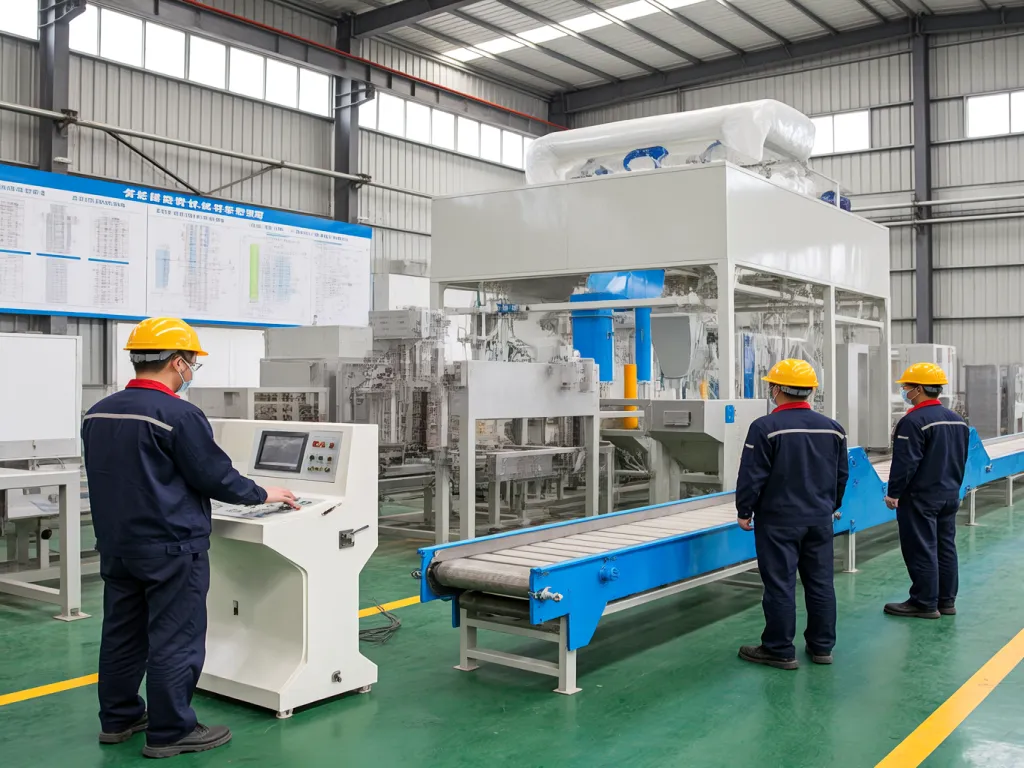
Профилактическая мера 1: Оптимизация процессов обращения с материалами для минимизации физического и химического ущерба фильтрующим мешкам
When it comes to preventing filter bag damage in power plants, optimizing the material handling process is a game-changer. You see, the way materials are fed into the system and how their properties are managed can significantly impact the lifespan of your filter bags. Let’s dive into some practical strategies that can make a real difference. First off, adjusting the feeding method is crucial. Imagine pouring a bucket of sand directly onto a delicate fabric – not a pretty picture, right? The same goes for filter bags. Abrupt or uneven feeding can cause excessive wear and tear, leading to premature failure. Instead, consider implementing a controlled feeding system that gradually introduces materials into the filtration unit. This can be achieved through the use of screw conveyors, vibratory feeders, or even pneumatic systems, depending on the nature of the material. By ensuring a smooth and consistent flow, you’ll reduce the physical stress on the filter bags, allowing them to perform optimally for longer. Now, let’s talk about moisture control. Excessive moisture in the feed material can wreak havoc on filter bags, especially those made from certain synthetic fibers. When moisture levels are too high, it can lead to clogging, increased pressure drop, and even chemical reactions that degrade the filter material. So, how do you tackle this issue? One effective approach is to install moisture sensors at key points in the material handling process. These sensors can provide real-time data on moisture content, allowing you to take corrective action before the material reaches the filter bags. For instance, if the moisture level exceeds a certain threshold, you can divert the material to a drying unit or adjust the process parameters to reduce moisture generation. Another aspect to consider is the storage and handling of materials before they enter the filtration system. Improper storage can lead to material degradation, contamination, and moisture absorption, all of which can negatively impact filter bag performance. Make sure materials are stored in a dry, clean environment, away from direct sunlight and extreme temperatures. Additionally, use appropriate containers or silos that prevent moisture ingress and minimize the risk of contamination. But wait, there’s more! The physical properties of the material itself, such as particle size and shape, can also influence filter bag damage. Coarse or irregularly shaped particles can cause abrasion and puncture the filter fabric, while fine particles can clog the pores and increase pressure drop. To mitigate these issues, consider implementing a pre-screening or classification system that separates materials based on their particle size and shape. This way, you can ensure that only materials with suitable properties enter the filtration unit, reducing the risk of damage to the filter bags. Let’s not forget about the importance of regular maintenance and cleaning of the material handling equipment. Over time, equipment such as conveyors, feeders, and storage silos can accumulate dust, debris, and even corrosive substances that can contaminate the feed material and damage the filter bags. Establish a routine maintenance schedule that includes regular cleaning, inspection, and replacement of worn-out parts. This will not only extend the lifespan of your equipment but also ensure that the material handling process remains efficient and effective. In my experience, I’ve seen power plants that have implemented these optimization strategies experience a significant reduction in filter bag damage and replacement costs. By taking a proactive approach to material handling, you can not only protect your filter bags but also improve the overall efficiency and reliability of your filtration system. So, what are you waiting for? Start optimizing your material handling processes today and give your filter bags the protection they deserve!
Регулировка методов подачи для плавного потока материала
Резкая или неравномерная подача может вызвать чрезмерный износ фильтровальных мешков. внедрить систему контролируемой подачи с использованием винтовых конвейеров, вибрационных питателей или пневматических систем, чтобы обеспечить плавный и постоянный поток. Это снижает физическую нагрузку на фильтровальные мешки, продлевая срок их службы.
Контроль влажности: ключевой фактор защиты фильтрующих мешков
Избыточная влажность в сырьевом материале может привести к засорению, увеличению перепада давления и химическим реакциям, которые разрушают фильтрующий материал. Установите датчики влажности для контроля содержания влаги в режиме реального времени и принимайте корректирующие меры, такие как перенаправление материала в сушильный блок или регулировка параметров процесса.
Надлежащее хранение и обращение с материалами
Неправильное хранение может вызвать деградацию материала, загрязнение, и поглощение влаги, отрицательно влияя на производительность фильтровального мешка. хранить материалы в сухой, чистой среде, вдали от прямых солнечных лучей и экстремальных температур. использовать соответствующие контейнеры или силосы, чтобы предотвратить попадание влаги и минимизировать риск загрязнения.
Предварительный отбор и классификация оптимальных свойств материала
Частицы грубой или неправильной формы могут вызвать истирание и прокол фильтрующей ткани, в то время как мелкие частицы могут закупорить поры и увеличить перепад давления. внедрить систему предварительного скрининга или классификации для разделения материалов в зависимости от размера и формы частиц, обеспечивая попадание в блок фильтрации только подходящих материалов.
Регулярное техническое обслуживание погрузочно-разгрузочного оборудования
Накопленная пыль, мусор и коррозионные вещества в погрузочно-разгрузочном оборудовании могут загрязнять кормовой материал и повреждать фильтровальные рукава. установите график планового технического обслуживания, который включает регулярную очистку, проверку и замену изношенных деталей, чтобы обеспечить эффективное и действенное обращение с материалами.
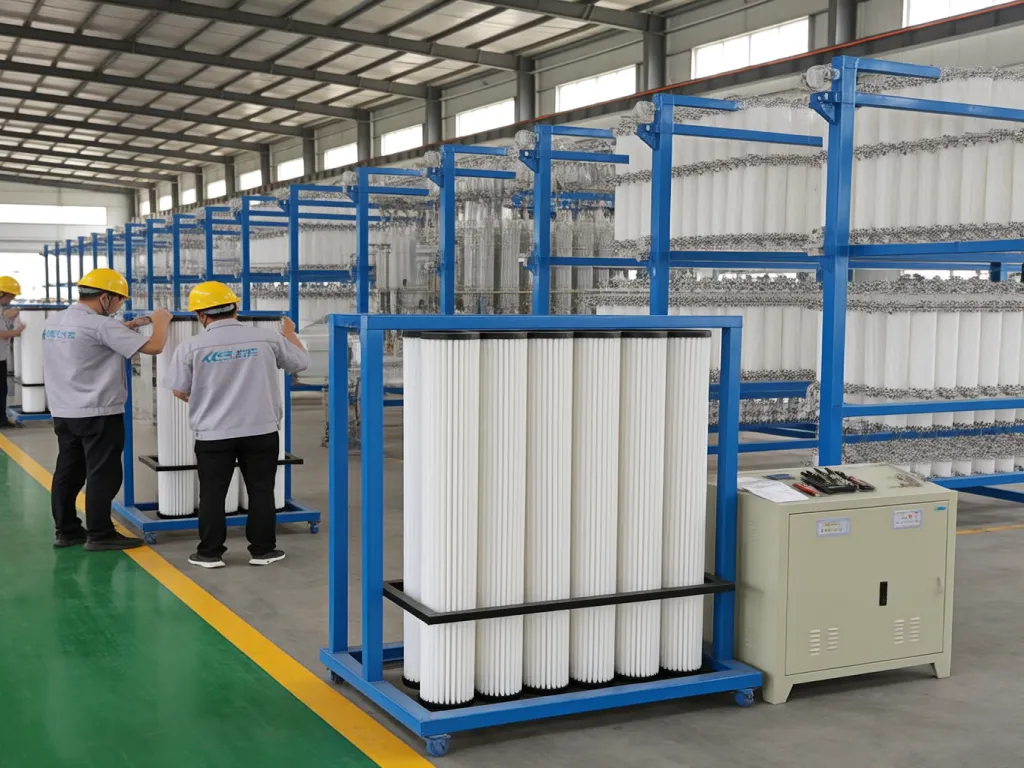
Профилактическая мера 2: Усовершенствовать эксплуатационные стандарты для оптимальной производительности фильтрующих мешков
When it comes to safeguarding filter bags in power plants, enhancing operational standards is not just a recommendation—it’s a necessity. Proper installation, regular inspections, timely replacements, and avoiding overloading are key practices that ensure your filter bags operate at their peak efficiency. Let’s dive deeper into each of these critical aspects to understand how they contribute to minimizing filter bag damage and extending their lifespan.
First things first, proper installation is the cornerstone of filter bag longevity. Imagine trying to fit a square peg into a round hole—it just won’t work, right? Similarly, installing filter bags incorrectly can lead to immediate or gradual damage, compromising their filtration capabilities. So, what does proper installation entail? It starts with selecting the right filter bag for your specific application, considering factors like material compatibility, size, and shape. Once you’ve got the right bag, follow the manufacturer’s installation guidelines meticulously. This includes ensuring the bag is seated correctly in the cage, all seals are tight, and there are no wrinkles or folds that could impede airflow or cause abrasion. Remember, a well-installed filter bag is a happy filter bag!
Next up, regular inspections are your best defense against unexpected filter bag failures. Think of it like taking your car for a routine check-up—you wouldn’t wait until it breaks down on the highway to find out something’s wrong, would you? The same principle applies to filter bags. Schedule regular inspections to look for signs of wear, tear, or damage. This could include checking for holes, thinning areas, or any buildup of particulate matter that could clog the bag and reduce its efficiency. By catching these issues early, you can take corrective action before they escalate into costly repairs or replacements. Plus, regular inspections give you valuable insights into the overall health of your filtration system, allowing you to make informed decisions about maintenance and upgrades.
Timely replacements are equally crucial in maintaining optimal filter bag performance. No filter bag lasts forever, and trying to squeeze every last ounce of life out of it can be a costly mistake. As filter bags age, their filtration efficiency decreases, and the risk of failure increases. So, how do you know when it’s time to replace them? Keep an eye on your inspection reports and performance metrics. If you notice a significant drop in filtration efficiency, increased pressure drop across the system, or frequent breakdowns, it’s probably time for new filter bags. Don’t wait until it’s too late—proactive replacements can save you from downtime, lost production, and potential safety hazards.
Last but not least, avoiding overloading is essential to prevent filter bag damage. Just like you wouldn’t overload your washing machine with clothes, you shouldn’t overload your filter bags with particulate matter. Overloading can cause excessive pressure on the bags, leading to stretching, tearing, or even bursting. To avoid this, ensure your filtration system is properly sized for your application and that you’re not exceeding the recommended flow rates or particulate loading. If you’re dealing with high-volume or high-particulate applications, consider using multiple filter bags or a more robust filtration system to distribute the load evenly and reduce the risk of damage.
By implementing these operational standards—proper installation, regular inspections, timely replacements, and avoiding overloading—you can significantly reduce the risk of filter bag damage in power plants. Not only will this extend the lifespan of your filter bags, but it will also improve the overall efficiency and reliability of your filtration system. So, what are you waiting for? Start enhancing your operational standards today and give your filter bags the care and attention they deserve!
Правильная установка: Основание долговечности фильтрующего мешка
Правильная установка – это первый шаг в обеспечении оптимальной работы фильтровальных мешков. Это предполагает выбор подходящего мешка для вашего применения и следование рекомендациям производителя в точности. Это включает в себя проверку совместимости, обеспечение правильного размера и предотвращение любых ошибок при установке, которые могут привести к преждевременному повреждению. Помните, что хорошо установленный фильтровальный мешок с меньшей вероятностью выйдет из строя, что сэкономит вам время и деньги в долгосрочной перспективе.
Регулярные проверки: проблемы с выявлением до того, как они обострятся
Регулярные проверки – ваш лучший инструмент для выявления потенциальных проблем с фильтровальными мешками до того, как они станут серьезными проблемами. регулярно проверяя признаки износа, разрыва или повреждения, вы можете заранее принять корректирующие меры и предотвратить дорогостоящие поломки. Кроме того, проверки дают вам ценную информацию об общем состоянии вашей системы фильтрации, позволяя вам принимать обоснованные решения по техническому обслуживанию и модернизации.
Своевременная замена: активное обслуживание для оптимальной производительности
Знание того, когда заменить фильтровальные мешки имеет решающее значение для поддержания оптимальной производительности. Не ждите, пока они полностью не выйдут из строя. Тогда часто уже слишком поздно, чтобы избежать простоев и потери производства. Вместо этого следите за отчетами об инспекциях и показателями производительности, а также заранее заменяйте фильтровальные мешки, когда станут очевидными признаки износа или снижения эффективности. Это обеспечит лучшую работу вашей системы фильтрации.
Избегание перегрузки: равномерное распределение нагрузки
Перегрузка фильтровальных рукавов твердыми частицами может вызвать чрезмерное давление и привести к повреждению. чтобы избежать этого, убедитесь, что ваша система фильтрации имеет правильный размер для вашего применения и что вы не превышаете рекомендуемые скорости потока или загрузку твердых частиц. Если вы имеете дело с приложениями с большим объемом или высоким содержанием твердых частиц, рассмотрите возможность использования нескольких фильтровальных рукавов или более надежной системы фильтрации для равномерного распределения нагрузки и снижения риска повреждения.
Освоение Как предотвратить повреждение фильтровального мешка на электростанциях? не является ли это необязательным изменением. Борясь с недостатками обработки материалов, уточняя эксплуатационные протоколы и принимая упреждающие проверки, вы сократите затраты на замену и повысите эффективность установки. Подумайте об этом: меньше поломок, более длительный срок службы фильтра и более плавные операции. Поделитесь этим руководством со своей командой, добавьте в закладки наш контрольный список по техническому обслуживанию и изучите наши передовые решения по фильтрации. В следующий раз, когда вы осмотрите свою систему фильтров, спросите себя: делаете ли вы достаточно, чтобы защитить свои инвестиции? Ответ начинается здесь.