
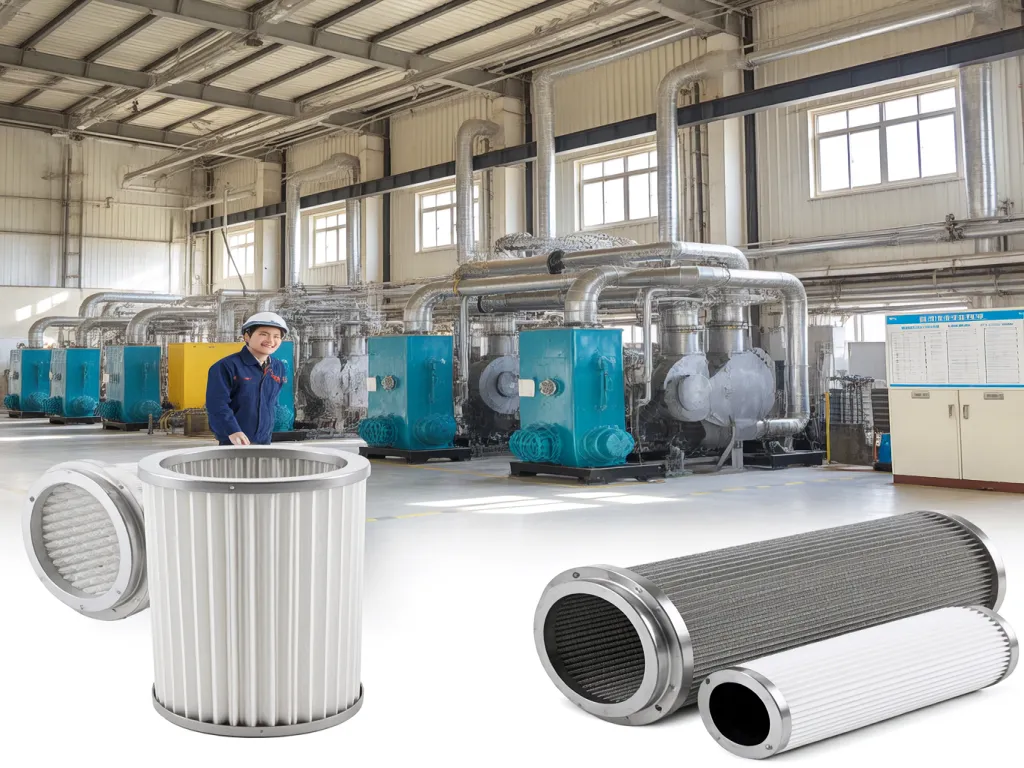
Para os operadores de usinas de energia, a visão de um saco de filtro danificado pode enviar arrepios para baixo da coluna vertebral, tempo de inatividade, operações ineficientes e despesas inesperadas Mas e se você pudesse reduzir esses riscos Entendendo Como evitar danos ao saco de filtro em usinas de energia não se trata apenas de economizar dinheiro; trata-se de garantir fluxos de trabalho contínuos e maximizar a vida útil do equipamento Neste guia, vamos desempacotar as causas profundas das falhas do saco de filtro e armar você com estratégias acionáveis para mantê-las intactas Pronto para transformar sua rotina de manutenção?
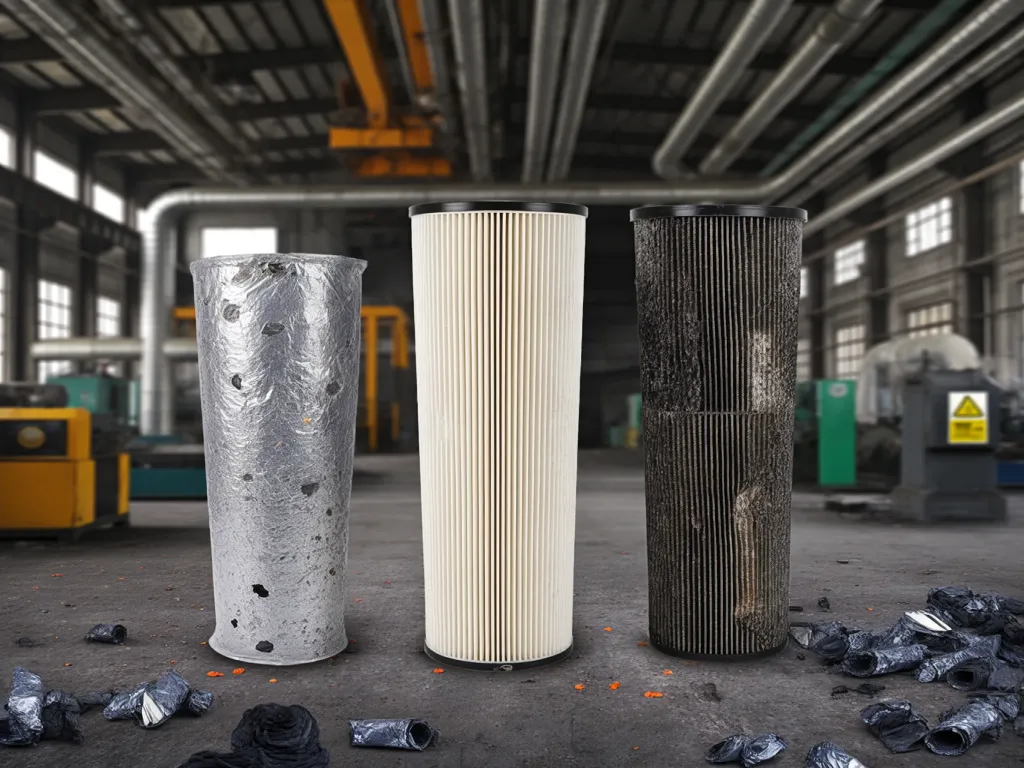
Causas comuns de danos ao saco de filtro: insights sobre propriedades de materiais, acidentes operacionais e fatores ambientais
As someone deeply involved in the industrial filtration sector, I’ve seen firsthand how crucial filter bags are to the smooth operation of power plants. Yet, despite their importance, filter bags often face premature damage, leading to costly downtimes and replacements. So, what’s causing this wear and tear? Let’s dive into the common culprits, starting with material properties, moving on to operational mishaps, and finally, environmental factors. Understanding these root causes is the first step toward effective prevention.
Material Properties: The Silent Culprit
The characteristics of the materials being filtered play a significant role in the lifespan of filter bags. For instance, abrasive particles can act like sandpaper, gradually wearing down the fabric fibers. Imagine filtering coal dust or silica – these tiny, sharp particles can embed themselves into the filter bag, causing micro-tears that expand over time. But it’s not just about abrasion; chemical reactivity is another concern. Certain materials, when in contact with specific chemicals present in the gas stream, can react, leading to degradation of the filter bag material. For example, polyester filter bags might not fare well in environments with high concentrations of oxidizing agents, as these can cause the fabric to weaken and break down faster.
Moreover, the moisture content of the material being filtered can’t be overlooked. High humidity levels can lead to condensation inside the filter bag, creating a damp environment that fosters microbial growth. This not only clogs the pores, reducing filtration efficiency but also weakens the fabric structure over time. Have you ever noticed how a wet cloth becomes more fragile when dried? The same principle applies here, albeit on a microscopic level.
Operational Mishaps: Human Error and Beyond
Now, let’s talk about operational mishaps. These are often the result of human error or inadequate maintenance practices. One common mistake is improper installation. If a filter bag isn’t seated correctly in its housing, it can rub against the frame or other components, causing friction and, eventually, holes. It’s like wearing shoes that don’t fit – they’ll cause blisters and discomfort, and similarly, a poorly installed filter bag will suffer. Choosing the right industrial filter bag, such as those detailed aqui, can also mitigate installation issues.
Another operational issue is neglecting regular inspections and replacements. Filter bags, like any other component, have a finite lifespan. Continuously running them beyond their recommended usage period can lead to catastrophic failures. It’s akin to driving a car without ever changing the oil – eventually, the engine will seize up. Regular checks can identify early signs of wear, allowing for timely replacements before a minor issue escalates into a major problem.
Overloading the system is yet another operational pitfall. Pushing the filter system beyond its designed capacity can lead to excessive pressure differentials, causing the filter bags to stretch and potentially rupture. It’s like trying to fit too much luggage into an already full suitcase – something’s got to give, and in this case, it’s the integrity of the filter bag.
Environmental Factors: The Unseen Forces
Lastly, environmental factors play a significant role in filter bag longevity. Temperature extremes, both high and low, can affect the material properties of the filter bags. High temperatures can cause thermal degradation, making the fabric brittle and prone to cracking. On the other hand, extremely cold environments can make the fabric stiff and less flexible, increasing the risk of tears during operation.
Corrosive gases in the environment are another environmental hazard. These gases can react with the filter bag material, leading to chemical degradation. For instance, in power plants burning certain types of coal, sulfur dioxide (SO2) emissions can be a concern. SO2 can react with moisture to form sulfuric acid, which is highly corrosive and can eat away at the filter bag fabric over time.
Lastly, let’s not forget about the impact of particulate size distribution. Fine particles can penetrate deeper into the filter bag, clogging the pores and reducing airflow. This not only decreases filtration efficiency but also increases the pressure drop across the filter, putting additional strain on the bag and accelerating wear.
Propriedades do material em detalhes
Quando se trata de propriedades do material, não se trata apenas do tipo de partículas, mas também de seu tamanho, forma e concentração. Partículas menores e mais nítidas tendem a causar mais danos do que as maiores e mais redondas. Da mesma forma, altas concentrações de partículas podem sobrecarregar o saco de filtro, levando a um entupimento mais rápido e aumento do desgaste. É essencial compreender as características específicas dos materiais que estão sendo filtrados e escolher os sacos de filtro de acordo.
Melhores Práticas Operacionais
Para mitigar os percalços operacionais, é crucial estabelecer e seguir as melhores práticas Isso inclui técnicas de instalação adequadas, inspeções regulares e substituições oportunas O treinamento do pessoal sobre o manuseio e manutenção corretos dos sacos de filtro pode percorrer um longo caminho na prevenção de danos Além disso, a implementação de um cronograma de manutenção preventiva pode ajudar a identificar e resolver possíveis problemas antes que eles aumentem.
Estratégias de Controle Ambiental
O controle dos fatores ambientais requer uma abordagem multifacetada Os sistemas de controle de temperatura podem ajudar a manter as condições ótimas de operação, evitando a degradação térmica A instalação de lavadores ou outros dispositivos de controle de emissões pode reduzir a concentração de gases corrosivos no meio ambiente Por último, a pré-filtragem ou dimensionamento do material particulado antes que ele atinja os sacos de filtro pode minimizar o impacto de partículas finas na vida útil do saco de filtro.
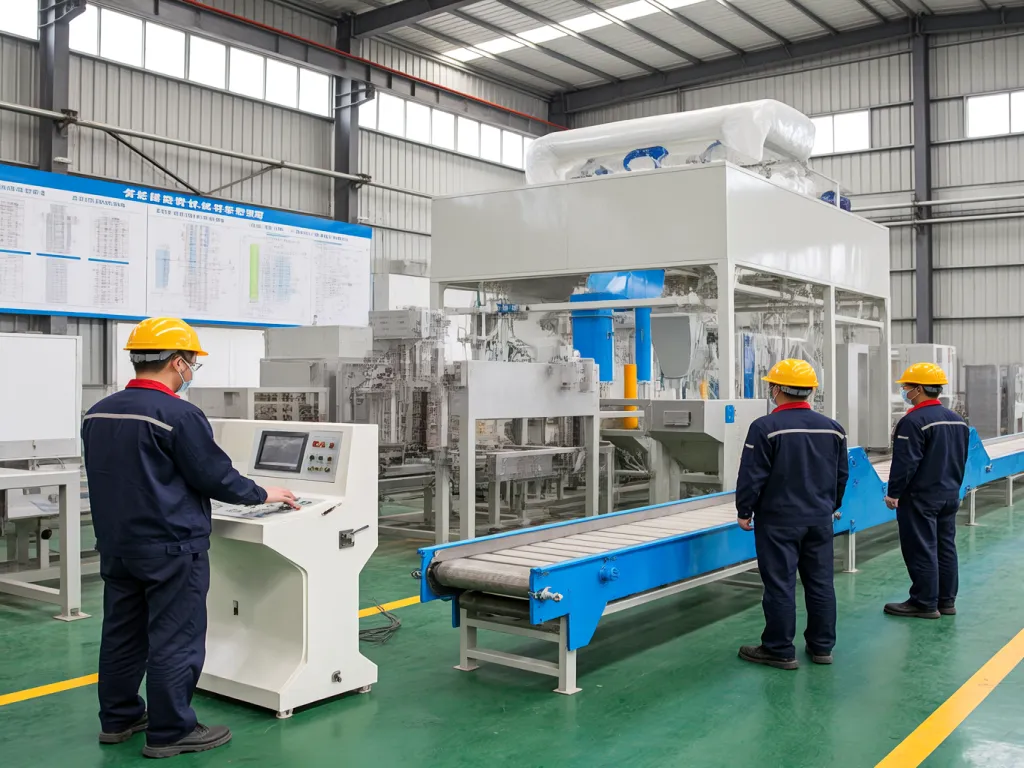
Medida Preventiva 1: Otimizar os Processos de Manuseio de Materiais para Minimizar Danos Físicos e Químicos aos Sacos de Filtro
When it comes to preventing filter bag damage in power plants, optimizing the material handling process is a game-changer. You see, the way materials are fed into the system and how their properties are managed can significantly impact the lifespan of your filter bags. Let’s dive into some practical strategies that can make a real difference. First off, adjusting the feeding method is crucial. Imagine pouring a bucket of sand directly onto a delicate fabric – not a pretty picture, right? The same goes for filter bags. Abrupt or uneven feeding can cause excessive wear and tear, leading to premature failure. Instead, consider implementing a controlled feeding system that gradually introduces materials into the filtration unit. This can be achieved through the use of screw conveyors, vibratory feeders, or even pneumatic systems, depending on the nature of the material. By ensuring a smooth and consistent flow, you’ll reduce the physical stress on the filter bags, allowing them to perform optimally for longer. Now, let’s talk about moisture control. Excessive moisture in the feed material can wreak havoc on filter bags, especially those made from certain synthetic fibers. When moisture levels are too high, it can lead to clogging, increased pressure drop, and even chemical reactions that degrade the filter material. So, how do you tackle this issue? One effective approach is to install moisture sensors at key points in the material handling process. These sensors can provide real-time data on moisture content, allowing you to take corrective action before the material reaches the filter bags. For instance, if the moisture level exceeds a certain threshold, you can divert the material to a drying unit or adjust the process parameters to reduce moisture generation. Another aspect to consider is the storage and handling of materials before they enter the filtration system. Improper storage can lead to material degradation, contamination, and moisture absorption, all of which can negatively impact filter bag performance. Make sure materials are stored in a dry, clean environment, away from direct sunlight and extreme temperatures. Additionally, use appropriate containers or silos that prevent moisture ingress and minimize the risk of contamination. But wait, there’s more! The physical properties of the material itself, such as particle size and shape, can also influence filter bag damage. Coarse or irregularly shaped particles can cause abrasion and puncture the filter fabric, while fine particles can clog the pores and increase pressure drop. To mitigate these issues, consider implementing a pre-screening or classification system that separates materials based on their particle size and shape. This way, you can ensure that only materials with suitable properties enter the filtration unit, reducing the risk of damage to the filter bags. Let’s not forget about the importance of regular maintenance and cleaning of the material handling equipment. Over time, equipment such as conveyors, feeders, and storage silos can accumulate dust, debris, and even corrosive substances that can contaminate the feed material and damage the filter bags. Establish a routine maintenance schedule that includes regular cleaning, inspection, and replacement of worn-out parts. This will not only extend the lifespan of your equipment but also ensure that the material handling process remains efficient and effective. In my experience, I’ve seen power plants that have implemented these optimization strategies experience a significant reduction in filter bag damage and replacement costs. By taking a proactive approach to material handling, you can not only protect your filter bags but also improve the overall efficiency and reliability of your filtration system. So, what are you waiting for? Start optimizing your material handling processes today and give your filter bags the protection they deserve!
Ajustando métodos de alimentação para fluxo suave de materiais
A alimentação abrupta ou irregular pode causar desgaste excessivo em sacos de filtro Implemente um sistema de alimentação controlado usando transportadores de parafuso, alimentadores vibratórios ou sistemas pneumáticos para garantir um fluxo suave e consistente Isso reduz o estresse físico nos sacos de filtro, prolongando sua vida útil.
Controle de umidade: um fator chave na proteção de sacos de filtro
A umidade excessiva no material de alimentação pode levar ao entupimento, aumento da queda de pressão e reações químicas que degradam o material do filtro Instale sensores de umidade para monitorar o teor de umidade em tempo real e tome medidas corretivas, como desviar o material para uma unidade de secagem ou ajustar os parâmetros do processo.
Armazenamento e manuseio adequados de materiais
O armazenamento inadequado pode causar degradação do material, contaminação e absorção de umidade, impactando negativamente o desempenho do saco de filtro Armazene os materiais em um ambiente seco e limpo, longe da luz solar direta e temperaturas extremas Use recipientes ou silos apropriados para evitar a entrada de umidade e minimizar o risco de contaminação.
Pré-triagem e classificação para propriedades ideais do material
Partículas grossas ou de formato irregular podem causar abrasão e perfurar o tecido do filtro, enquanto partículas finas podem entupir os poros e aumentar a queda de pressão Implemente um sistema de pré-triagem ou classificação para separar os materiais com base no tamanho e forma das partículas, garantindo que apenas materiais adequados entrem na unidade de filtração.
Manutenção Regular de Equipamentos de Manuseio de Materiais
Poeiras acumuladas, detritos e substâncias corrosivas em equipamentos de manuseio de materiais podem contaminar o material de alimentação e danificar os sacos de filtro Estabelecer um cronograma de manutenção de rotina que inclua limpeza, inspeção e substituição regulares de peças desgastadas para garantir o manuseio eficiente e eficaz do material.
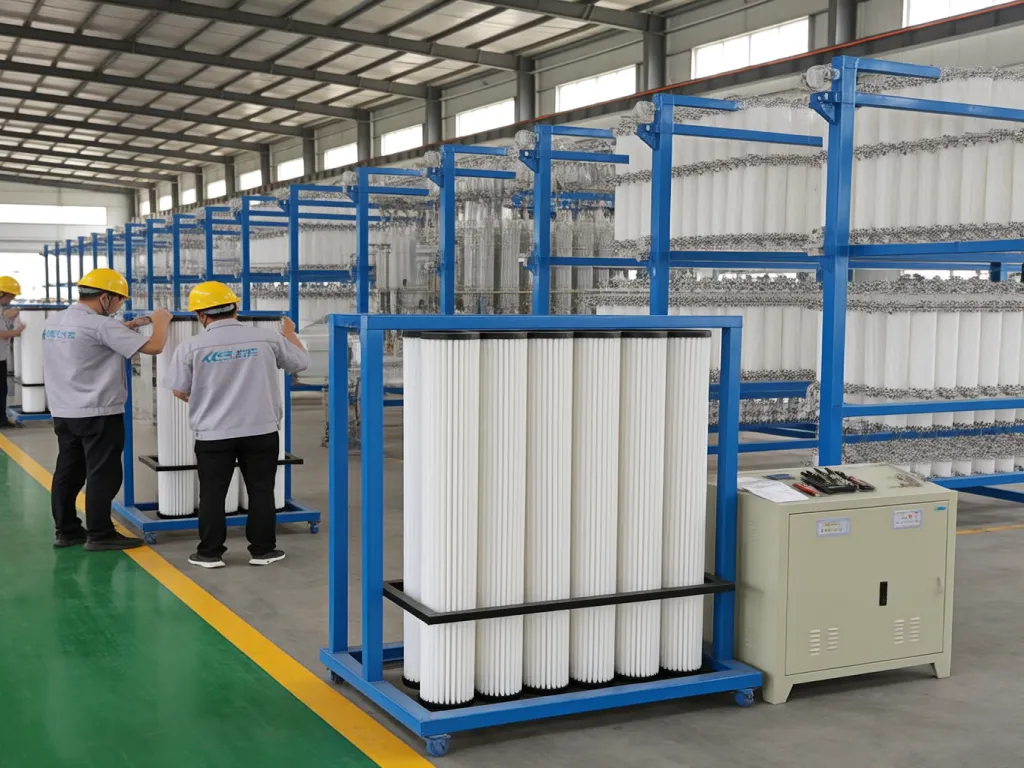
Medida Preventiva 2: Aprimorar os Padrões Operacionais para o Desempenho Ótimo do Saco de Filtro
When it comes to safeguarding filter bags in power plants, enhancing operational standards is not just a recommendation—it’s a necessity. Proper installation, regular inspections, timely replacements, and avoiding overloading are key practices that ensure your filter bags operate at their peak efficiency. Let’s dive deeper into each of these critical aspects to understand how they contribute to minimizing filter bag damage and extending their lifespan.
First things first, proper installation is the cornerstone of filter bag longevity. Imagine trying to fit a square peg into a round hole—it just won’t work, right? Similarly, installing filter bags incorrectly can lead to immediate or gradual damage, compromising their filtration capabilities. So, what does proper installation entail? It starts with selecting the right filter bag for your specific application, considering factors like material compatibility, size, and shape. Once you’ve got the right bag, follow the manufacturer’s installation guidelines meticulously. This includes ensuring the bag is seated correctly in the cage, all seals are tight, and there are no wrinkles or folds that could impede airflow or cause abrasion. Remember, a well-installed filter bag is a happy filter bag!
Next up, regular inspections are your best defense against unexpected filter bag failures. Think of it like taking your car for a routine check-up—you wouldn’t wait until it breaks down on the highway to find out something’s wrong, would you? The same principle applies to filter bags. Schedule regular inspections to look for signs of wear, tear, or damage. This could include checking for holes, thinning areas, or any buildup of particulate matter that could clog the bag and reduce its efficiency. By catching these issues early, you can take corrective action before they escalate into costly repairs or replacements. Plus, regular inspections give you valuable insights into the overall health of your filtration system, allowing you to make informed decisions about maintenance and upgrades.
Timely replacements are equally crucial in maintaining optimal filter bag performance. No filter bag lasts forever, and trying to squeeze every last ounce of life out of it can be a costly mistake. As filter bags age, their filtration efficiency decreases, and the risk of failure increases. So, how do you know when it’s time to replace them? Keep an eye on your inspection reports and performance metrics. If you notice a significant drop in filtration efficiency, increased pressure drop across the system, or frequent breakdowns, it’s probably time for new filter bags. Don’t wait until it’s too late—proactive replacements can save you from downtime, lost production, and potential safety hazards.
Last but not least, avoiding overloading is essential to prevent filter bag damage. Just like you wouldn’t overload your washing machine with clothes, you shouldn’t overload your filter bags with particulate matter. Overloading can cause excessive pressure on the bags, leading to stretching, tearing, or even bursting. To avoid this, ensure your filtration system is properly sized for your application and that you’re not exceeding the recommended flow rates or particulate loading. If you’re dealing with high-volume or high-particulate applications, consider using multiple filter bags or a more robust filtration system to distribute the load evenly and reduce the risk of damage.
By implementing these operational standards—proper installation, regular inspections, timely replacements, and avoiding overloading—you can significantly reduce the risk of filter bag damage in power plants. Not only will this extend the lifespan of your filter bags, but it will also improve the overall efficiency and reliability of your filtration system. So, what are you waiting for? Start enhancing your operational standards today and give your filter bags the care and attention they deserve!
Instalação adequada: a base da longevidade do saco de filtro
A instalação adequada é o primeiro passo para garantir que seus sacos de filtro tenham um desempenho ideal Envolve selecionar o saco certo para sua aplicação e seguir as diretrizes do fabricante ao pé da letra Isso inclui verificar a compatibilidade, garantir o dimensionamento correto e evitar quaisquer erros de instalação que possam levar a danos prematuros Lembre-se de que um saco de filtro bem instalado tem menos probabilidade de falhar, economizando tempo e dinheiro a longo prazo.
Inspeções regulares: detectando problemas antes que eles aumentem
Inspeções regulares são sua melhor ferramenta para identificar possíveis problemas com seus sacos de filtro antes que eles se tornem problemas sérios Ao verificar sinais de desgaste, rasgo ou danos regularmente, você pode tomar medidas corretivas antecipadamente e evitar avarias dispendiosas Além disso, as inspeções fornecem informações valiosas sobre a integridade geral do seu sistema de filtragem, permitindo que você tome decisões informadas sobre manutenção e atualizações.
Substituições oportunas: manutenção proativa para desempenho ideal
Saber quando quando sacos de filtro é crucial para manter o desempenho ideal Não espere até que eles falhem para substituir o seu tempo de tempo, muitas vezes é tarde demais para evitar a queda produção perdida Em vez disso, fique de olho em seus relatórios de inspeção e métricas de desempenho, e substitua seus sacos de filtro proativamente quando sinais de desgaste ou diminuição da eficiência se tornam aparentes Isso irá garantir que seu sistema de filtragem continua a operar no seu melhor.
Evitando sobrecarga: distribuindo a carga uniformemente
Sobrecarregar seus sacos de filtro com material particulado pode causar pressão excessiva e causar danos Para evitar isso, certifique-se de que seu sistema de filtragem esteja dimensionado adequadamente para sua aplicação e que você não esteja excedendo as taxas de fluxo recomendadas ou o carregamento de partículas Se estiver lidando com aplicações de alto volume ou alta particulação, considere usar vários sacos de filtro ou um sistema de filtragem mais robusto para distribuir a carga uniformemente e reduzir o risco de danos.
Domínio Como prevenir danos nos sacos de filtro em usinas de energia? não é opcional’s a game-changer Ao lidar com falhas de manuseio de materiais, refinar protocolos operacionais, adotar verificações proativas, você cortará custos de reposição e aumentará a eficiência da planta Pense nisso: menos avarias, maior vida útil do filtro e operações mais suaves Compartilhe este guia com sua equipe, marque nossa lista de verificação de manutenção e explore nossas soluções avançadas de filtragem Na próxima vez que inspecionar seu sistema de filtros, pergunte a si mesmo: Você está fazendo o suficiente para proteger seu investimento? a resposta começa aqui.