
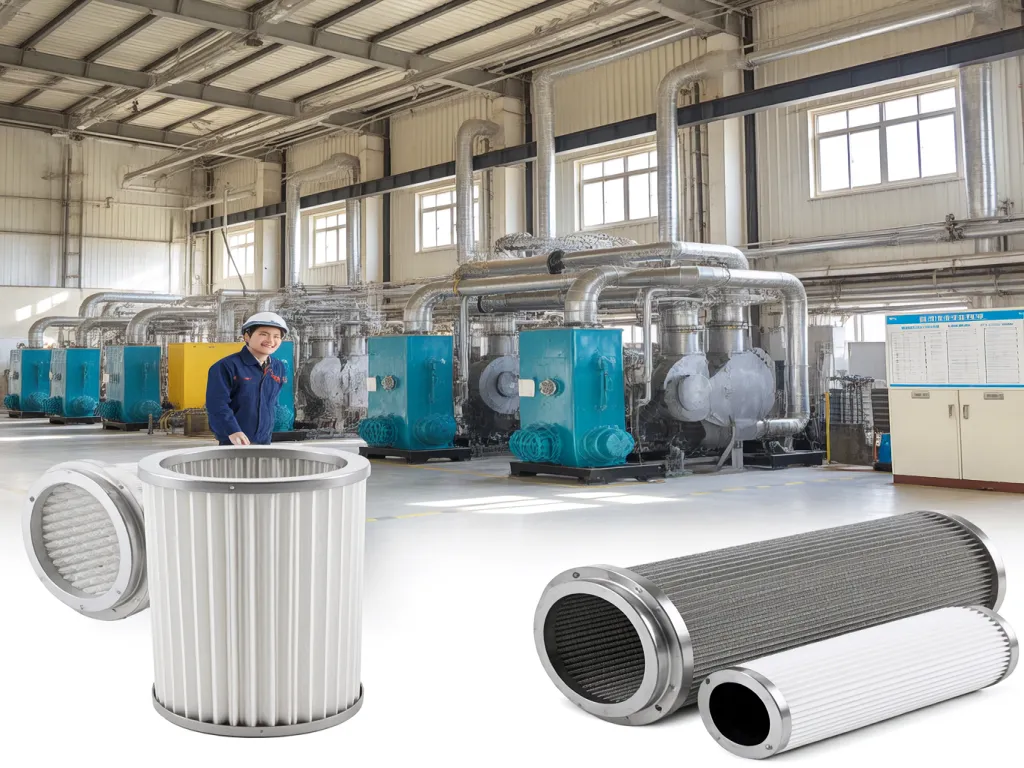
発電所のオペレーターにとって、損傷したフィルターバッグを見ると背筋がゾクゾクする – 高価なダウンタイム、非効率な操作、予期せぬ出費が発生する可能性がありますが、それらのリスクを軽減できるとしたらどうでしょうか? 理解する 発電所におけるフィルターバッグの損傷を防ぐ方法は、単にコストを節約することではありません; シームレスなワークフローを確保し、機器の寿命を最大化することです このガイドでは、フィルターバッグの故障の根本原因を解明し、それらを無傷に保つための実用的な戦略で武装し、メンテナンスルーチンを変革する準備はできていますか?
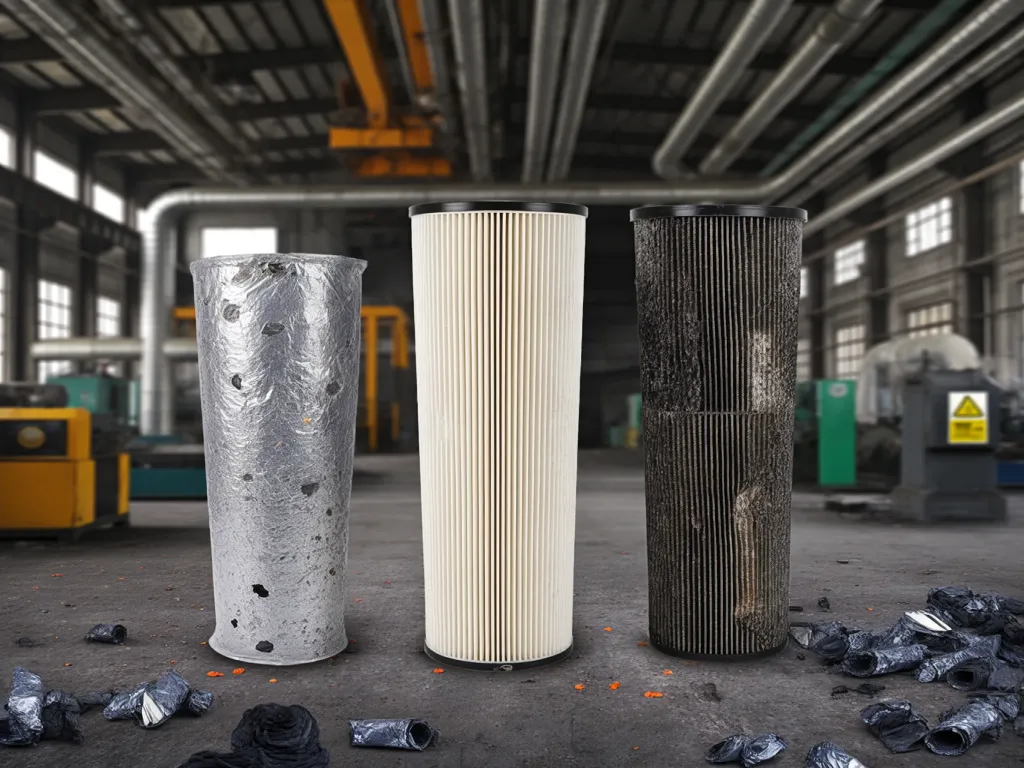
フィルターバッグ損傷の一般的な原因: 材料特性、動作上の事故、環境要因に関する洞察
As someone deeply involved in the industrial filtration sector, I’ve seen firsthand how crucial filter bags are to the smooth operation of power plants. Yet, despite their importance, filter bags often face premature damage, leading to costly downtimes and replacements. So, what’s causing this wear and tear? Let’s dive into the common culprits, starting with material properties, moving on to operational mishaps, and finally, environmental factors. Understanding these root causes is the first step toward effective prevention.
Material Properties: The Silent Culprit
The characteristics of the materials being filtered play a significant role in the lifespan of filter bags. For instance, abrasive particles can act like sandpaper, gradually wearing down the fabric fibers. Imagine filtering coal dust or silica – these tiny, sharp particles can embed themselves into the filter bag, causing micro-tears that expand over time. But it’s not just about abrasion; chemical reactivity is another concern. Certain materials, when in contact with specific chemicals present in the gas stream, can react, leading to degradation of the filter bag material. For example, polyester filter bags might not fare well in environments with high concentrations of oxidizing agents, as these can cause the fabric to weaken and break down faster.
Moreover, the moisture content of the material being filtered can’t be overlooked. High humidity levels can lead to condensation inside the filter bag, creating a damp environment that fosters microbial growth. This not only clogs the pores, reducing filtration efficiency but also weakens the fabric structure over time. Have you ever noticed how a wet cloth becomes more fragile when dried? The same principle applies here, albeit on a microscopic level.
Operational Mishaps: Human Error and Beyond
Now, let’s talk about operational mishaps. These are often the result of human error or inadequate maintenance practices. One common mistake is improper installation. If a filter bag isn’t seated correctly in its housing, it can rub against the frame or other components, causing friction and, eventually, holes. It’s like wearing shoes that don’t fit – they’ll cause blisters and discomfort, and similarly, a poorly installed filter bag will suffer. Choosing the right industrial filter bag, such as those detailed ここ, can also mitigate installation issues.
Another operational issue is neglecting regular inspections and replacements. Filter bags, like any other component, have a finite lifespan. Continuously running them beyond their recommended usage period can lead to catastrophic failures. It’s akin to driving a car without ever changing the oil – eventually, the engine will seize up. Regular checks can identify early signs of wear, allowing for timely replacements before a minor issue escalates into a major problem.
Overloading the system is yet another operational pitfall. Pushing the filter system beyond its designed capacity can lead to excessive pressure differentials, causing the filter bags to stretch and potentially rupture. It’s like trying to fit too much luggage into an already full suitcase – something’s got to give, and in this case, it’s the integrity of the filter bag.
Environmental Factors: The Unseen Forces
Lastly, environmental factors play a significant role in filter bag longevity. Temperature extremes, both high and low, can affect the material properties of the filter bags. High temperatures can cause thermal degradation, making the fabric brittle and prone to cracking. On the other hand, extremely cold environments can make the fabric stiff and less flexible, increasing the risk of tears during operation.
Corrosive gases in the environment are another environmental hazard. These gases can react with the filter bag material, leading to chemical degradation. For instance, in power plants burning certain types of coal, sulfur dioxide (SO2) emissions can be a concern. SO2 can react with moisture to form sulfuric acid, which is highly corrosive and can eat away at the filter bag fabric over time.
Lastly, let’s not forget about the impact of particulate size distribution. Fine particles can penetrate deeper into the filter bag, clogging the pores and reducing airflow. This not only decreases filtration efficiency but also increases the pressure drop across the filter, putting additional strain on the bag and accelerating wear.
詳細の材料特性
材料の特性に関しては、粒子の種類だけでなく、そのサイズ、形状、濃度も重要です。小さくて鋭い粒子は、大きくて丸い粒子よりも大きな損傷を引き起こす傾向があります。同様に、高濃度の粒子がフィルターバッグを圧倒し、詰まりが早くなり、摩耗が増加する可能性があります。濾過される材料の特有の特性を理解し、それに応じてフィルターバッグを選択することが不可欠です。
運用上のベストプラクティス
運用上の事故を軽減するには、ベスト プラクティスを確立し、それに従うことが重要です。これには、適切な設置技術、定期的な検査、タイムリーな交換が含まれます。フィルター バッグの正しい取り扱いとメンテナンスに関する担当者のトレーニングは、損傷を防ぐのに大いに役立ちます。さらに、予防保守スケジュールを実施すると、潜在的な問題が深刻化する前に特定し、対処するのに役立ちます。
環境制御戦略
環境要因を制御するには多面的なアプローチが必要です。温度制御システムは最適な動作条件を維持し、熱劣化を防ぐのに役立ちます。スクラバーやその他の排出制御装置を設置すると、環境中の腐食性ガスの濃度を減らすことができます。最後に、粒子状物質がフィルターバッグに到達する前に事前に濾過またはサイジングすることで、フィルターバッグの寿命に対する微粒子の影響を最小限に抑えることができます。
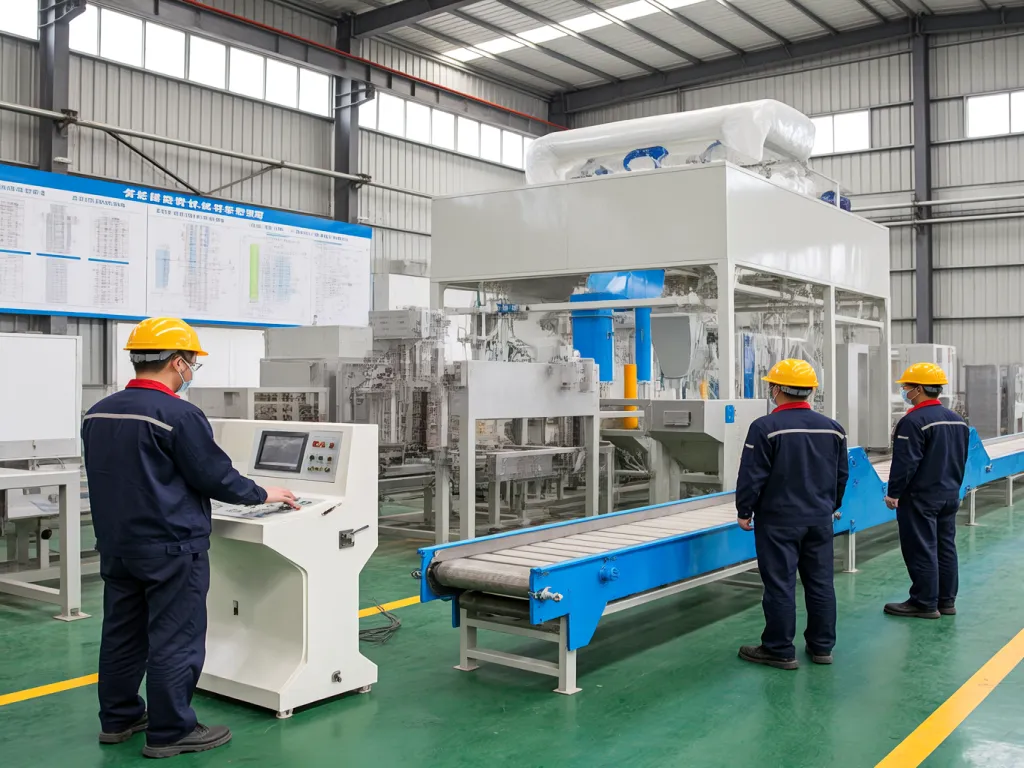
予防策 1: 材料の取り扱いプロセスを最適化し、フィルターバッグへの物理的および化学的損傷を最小限に抑えます
When it comes to preventing filter bag damage in power plants, optimizing the material handling process is a game-changer. You see, the way materials are fed into the system and how their properties are managed can significantly impact the lifespan of your filter bags. Let’s dive into some practical strategies that can make a real difference. First off, adjusting the feeding method is crucial. Imagine pouring a bucket of sand directly onto a delicate fabric – not a pretty picture, right? The same goes for filter bags. Abrupt or uneven feeding can cause excessive wear and tear, leading to premature failure. Instead, consider implementing a controlled feeding system that gradually introduces materials into the filtration unit. This can be achieved through the use of screw conveyors, vibratory feeders, or even pneumatic systems, depending on the nature of the material. By ensuring a smooth and consistent flow, you’ll reduce the physical stress on the filter bags, allowing them to perform optimally for longer. Now, let’s talk about moisture control. Excessive moisture in the feed material can wreak havoc on filter bags, especially those made from certain synthetic fibers. When moisture levels are too high, it can lead to clogging, increased pressure drop, and even chemical reactions that degrade the filter material. So, how do you tackle this issue? One effective approach is to install moisture sensors at key points in the material handling process. These sensors can provide real-time data on moisture content, allowing you to take corrective action before the material reaches the filter bags. For instance, if the moisture level exceeds a certain threshold, you can divert the material to a drying unit or adjust the process parameters to reduce moisture generation. Another aspect to consider is the storage and handling of materials before they enter the filtration system. Improper storage can lead to material degradation, contamination, and moisture absorption, all of which can negatively impact filter bag performance. Make sure materials are stored in a dry, clean environment, away from direct sunlight and extreme temperatures. Additionally, use appropriate containers or silos that prevent moisture ingress and minimize the risk of contamination. But wait, there’s more! The physical properties of the material itself, such as particle size and shape, can also influence filter bag damage. Coarse or irregularly shaped particles can cause abrasion and puncture the filter fabric, while fine particles can clog the pores and increase pressure drop. To mitigate these issues, consider implementing a pre-screening or classification system that separates materials based on their particle size and shape. This way, you can ensure that only materials with suitable properties enter the filtration unit, reducing the risk of damage to the filter bags. Let’s not forget about the importance of regular maintenance and cleaning of the material handling equipment. Over time, equipment such as conveyors, feeders, and storage silos can accumulate dust, debris, and even corrosive substances that can contaminate the feed material and damage the filter bags. Establish a routine maintenance schedule that includes regular cleaning, inspection, and replacement of worn-out parts. This will not only extend the lifespan of your equipment but also ensure that the material handling process remains efficient and effective. In my experience, I’ve seen power plants that have implemented these optimization strategies experience a significant reduction in filter bag damage and replacement costs. By taking a proactive approach to material handling, you can not only protect your filter bags but also improve the overall efficiency and reliability of your filtration system. So, what are you waiting for? Start optimizing your material handling processes today and give your filter bags the protection they deserve!
材料の流れを滑らかにするための供給方法を調整します
突然または不均一な供給は、フィルターバッグに過度の磨耗を引き起こす可能性があります スクリューコンベア、振動フィーダー、または空気圧システムを使用した制御された供給システムを導入して、スムーズで一貫した流れを確保し、フィルターバッグへの物理的ストレスを軽減し、フィルターバッグの寿命を延ばします。
水分管理: フィルターバッグ保護の重要な要素
供給材料中の水分が過剰になると、目詰まり、圧力損失の増加、フィルター材料を劣化させる化学反応が発生する可能性があります。水分センサーを設置して水分含有量をリアルタイムで監視し、材料を乾燥ユニットに流用したり、プロセスパラメーターを調整したりするなど、是正措置を講じます。
材料の適切な保管と取り扱い
不適切な保管は、材料の劣化、汚染、吸湿を引き起こし、フィルターバッグの性能に悪影響を与える可能性があります 直射日光や極端な温度から離れた、乾燥した清潔な環境で材料を保管し、湿気の侵入を防ぎ、汚染のリスクを最小限に抑えるために、適切な容器またはサイロを使用してください。
最適な材料特性の事前スクリーニングと分類
粗いまたは不規則な形の粒子は、摩耗や穿刺フィルター生地を引き起こす可能性があります, 微粒子は、細孔を詰まらせ、圧力降下を増加させることができます.粒径と形状に基づいて材料を分離するための事前スクリーニングまたは分類システムを実施, 唯一の適切な材料がろ過ユニットに入るようにします。
資材運搬設備の定期メンテナンス
マテリアルハンドリング装置に蓄積された粉塵、破片、腐食性物質は、飼料材料を汚染し、フィルターバッグを損傷する可能性があります。効率的かつ効果的なマテリアルハンドリングを確保するために、定期的な洗浄、検査、摩耗した部品の交換を含む定期的なメンテナンススケジュールを確立します。
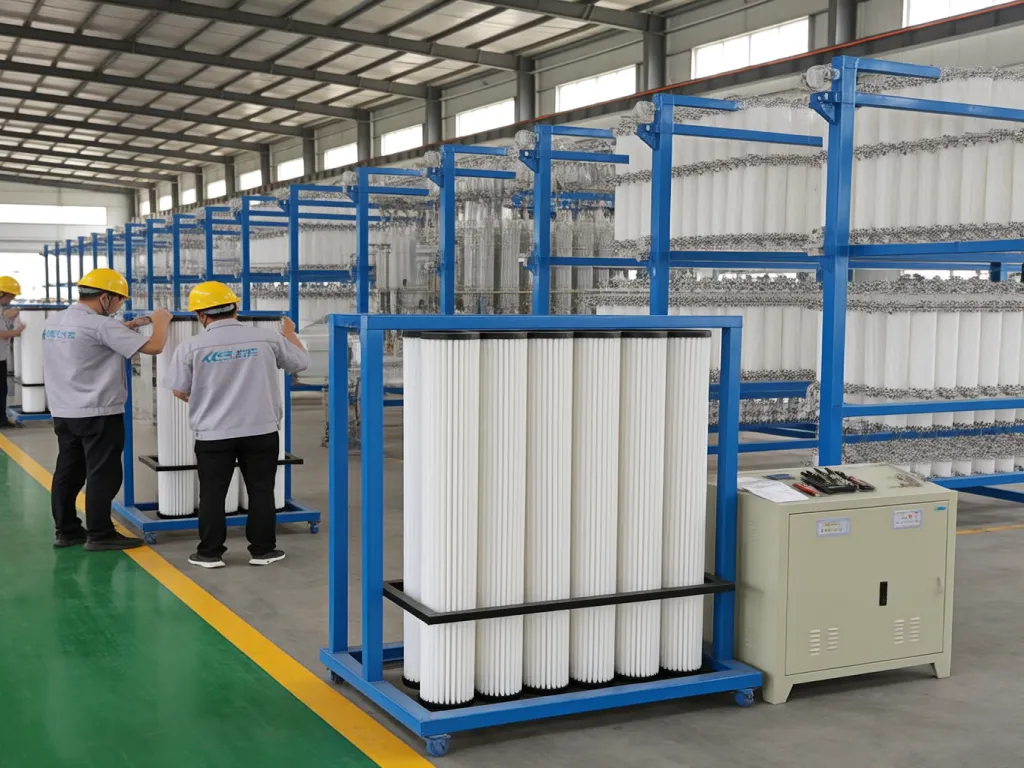
予防措置 2: 最適なフィルターバッグの性能のための運用基準を強化します
When it comes to safeguarding filter bags in power plants, enhancing operational standards is not just a recommendation—it’s a necessity. Proper installation, regular inspections, timely replacements, and avoiding overloading are key practices that ensure your filter bags operate at their peak efficiency. Let’s dive deeper into each of these critical aspects to understand how they contribute to minimizing filter bag damage and extending their lifespan.
First things first, proper installation is the cornerstone of filter bag longevity. Imagine trying to fit a square peg into a round hole—it just won’t work, right? Similarly, installing filter bags incorrectly can lead to immediate or gradual damage, compromising their filtration capabilities. So, what does proper installation entail? It starts with selecting the right filter bag for your specific application, considering factors like material compatibility, size, and shape. Once you’ve got the right bag, follow the manufacturer’s installation guidelines meticulously. This includes ensuring the bag is seated correctly in the cage, all seals are tight, and there are no wrinkles or folds that could impede airflow or cause abrasion. Remember, a well-installed filter bag is a happy filter bag!
Next up, regular inspections are your best defense against unexpected filter bag failures. Think of it like taking your car for a routine check-up—you wouldn’t wait until it breaks down on the highway to find out something’s wrong, would you? The same principle applies to filter bags. Schedule regular inspections to look for signs of wear, tear, or damage. This could include checking for holes, thinning areas, or any buildup of particulate matter that could clog the bag and reduce its efficiency. By catching these issues early, you can take corrective action before they escalate into costly repairs or replacements. Plus, regular inspections give you valuable insights into the overall health of your filtration system, allowing you to make informed decisions about maintenance and upgrades.
Timely replacements are equally crucial in maintaining optimal filter bag performance. No filter bag lasts forever, and trying to squeeze every last ounce of life out of it can be a costly mistake. As filter bags age, their filtration efficiency decreases, and the risk of failure increases. So, how do you know when it’s time to replace them? Keep an eye on your inspection reports and performance metrics. If you notice a significant drop in filtration efficiency, increased pressure drop across the system, or frequent breakdowns, it’s probably time for new filter bags. Don’t wait until it’s too late—proactive replacements can save you from downtime, lost production, and potential safety hazards.
Last but not least, avoiding overloading is essential to prevent filter bag damage. Just like you wouldn’t overload your washing machine with clothes, you shouldn’t overload your filter bags with particulate matter. Overloading can cause excessive pressure on the bags, leading to stretching, tearing, or even bursting. To avoid this, ensure your filtration system is properly sized for your application and that you’re not exceeding the recommended flow rates or particulate loading. If you’re dealing with high-volume or high-particulate applications, consider using multiple filter bags or a more robust filtration system to distribute the load evenly and reduce the risk of damage.
By implementing these operational standards—proper installation, regular inspections, timely replacements, and avoiding overloading—you can significantly reduce the risk of filter bag damage in power plants. Not only will this extend the lifespan of your filter bags, but it will also improve the overall efficiency and reliability of your filtration system. So, what are you waiting for? Start enhancing your operational standards today and give your filter bags the care and attention they deserve!
適切な取り付け: フィルターバッグの長寿の基礎
適切な取り付けは、フィルターバッグが最適なパフォーマンスを発揮するための最初のステップです。アプリケーションに適したバッグを選択し、メーカーのガイドラインに忠実に従うことが含まれます。これには、互換性の確認、正しいサイズの確保、早期損傷につながる可能性のある取り付けエラーの回避が含まれます。適切に取り付けられたフィルターバッグは故障する可能性が低く、長期的には時間とお金を節約できることを覚えておいてください。
定期的な検査: 問題が深刻化する前に発見します
定期検査は、フィルターバッグが深刻な問題になる前に、フィルターバッグの潜在的な問題を特定するための最良のツールです。定期的に摩耗、破損、損傷の兆候をチェックすることで、早期に是正措置を講じ、コストのかかる故障を防ぐことができます。さらに、検査により濾過システム全体の状態に関する貴重な洞察が得られ、メンテナンスやアップグレードについて十分な情報に基づいた意思決定を行うことができます。
タイムリーな交換: 最適なパフォーマンスを実現するためのプロアクティブなメンテナンス
フィルターバッグの交換時期を知ることは、最適なパフォーマンスを維持するために非常に重要です。完全に故障するまで待たないでください。それまでに、ダウンタイムや生産量の損失を避けるには手遅れになることがよくあります。代わりに、検査レポートとパフォーマンス指標を監視し、摩耗や効率低下の兆候が明らかになったときにフィルターバッグを積極的に交換してください。これにより、濾過システムが最高の状態で動作し続けることが保証されます。
オーバーロードの回避: 負荷を均等に分散します
フィルターバッグに粒子状物質を過剰に充填すると、過度の圧力がかかり、損傷につながる可能性があります これを回避するために、濾過システムが用途に適した適切なサイズであり、推奨流量または粒子状物質の負荷を超えないようにしてください。大量または高粒子状物質のアプリケーションを扱う場合は、負荷を均等に分散し、損傷のリスクを軽減するために、複数のフィルターバッグまたはより堅牢な濾過システムの使用を検討してください。
マスタリング 発電所におけるフィルターバッグの損傷を防ぐ方法は? 任意ではありません ぇ-それは状況を一変させるものです マテリアルハンドリングの欠陥に取り組み、運用プロトコルを改良し、プロアクティブなチェックを採用することで、交換コストを削減し、プラントの効率を向上させます 考えてみてください: 故障が少なく、フィルター寿命が長く、よりスムーズな運用 このガイドをチームと共有し、メンテナンスチェックリストをブックマークし、高度な濾過ソリューションを検討してください 次にフィルターシステムを検査するときは、自問してください: 投資を保護するために十分な努力をしていますか? 答えはここから始まります。