
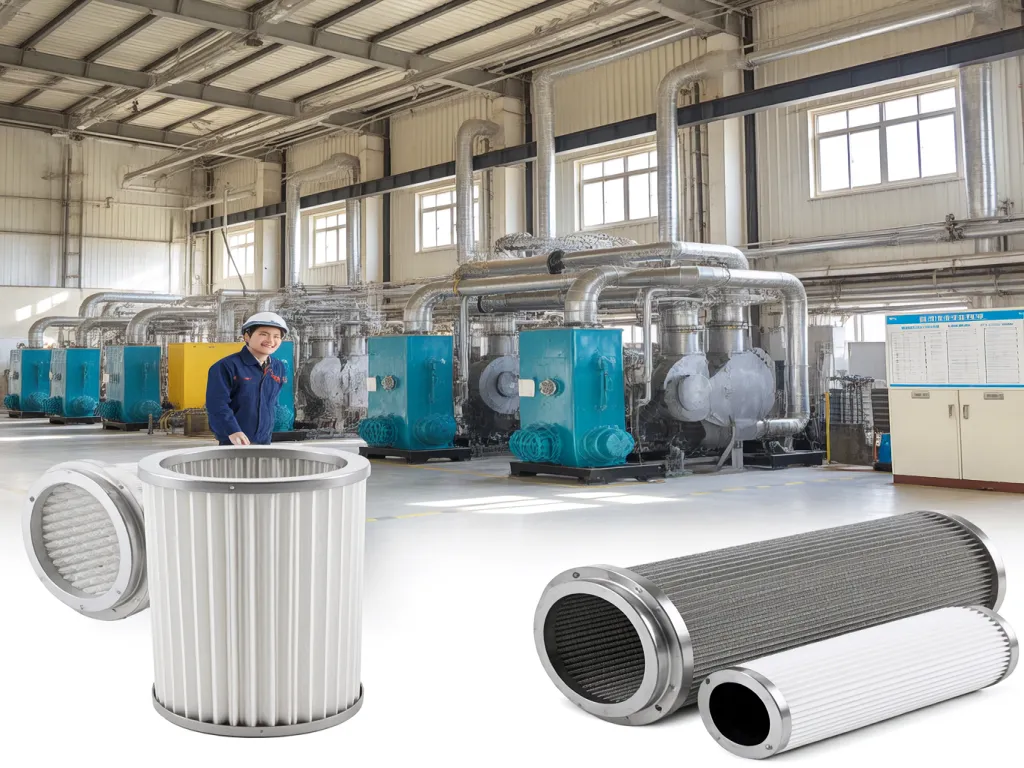
Per gli operatori di centrali elettriche la vista di un filtro danneggiato può inviare brividi lungo il dorso, operazioni inefficienti e spese impreviste Ma cosa succede se si riuscisse a ridurre tali rischi? Capire come prevenire i danni del sacchetto filtro nelle centrali elettriche? non si tratta solo di risparmiare denaro; si tratta di garantire flussi di lavoro senza soluzione di continuità e massimizzare la durata delle apparecchiature In questa guida, sveleremo le cause profonde dei guasti del sacchetto filtro e ti doteremo di strategie attuabili per mantenerli intatti Pronti a trasformare la tua routine di manutenzione?
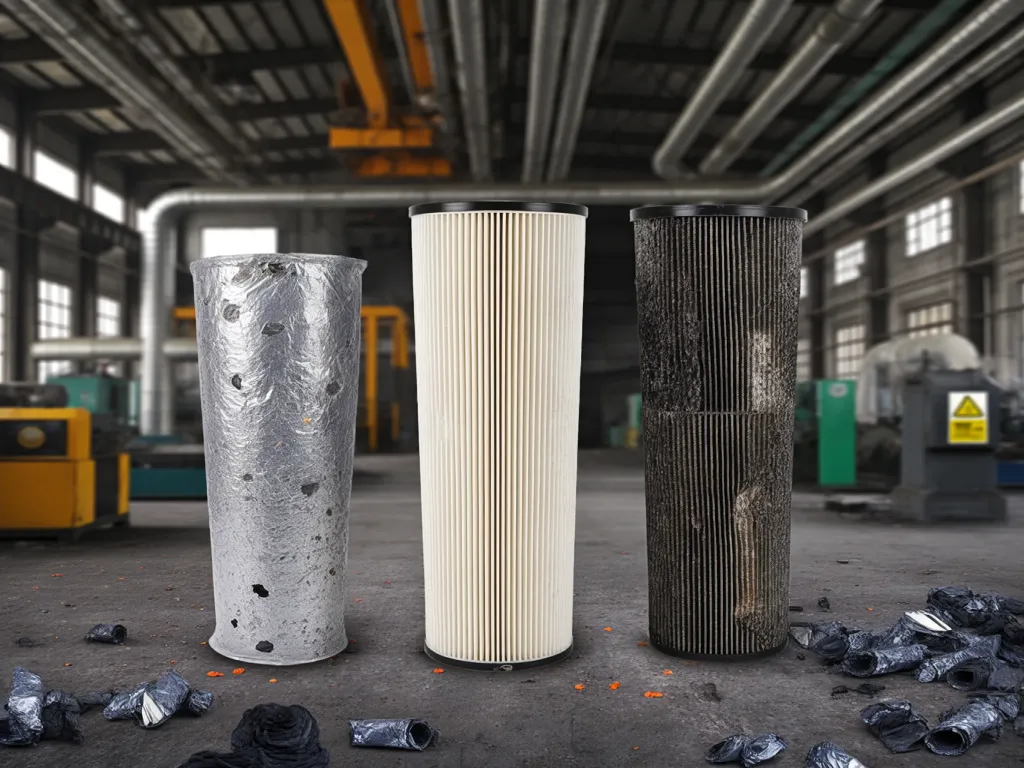
Cause comuni di danni ai sacchetti filtranti: approfondimenti sulle proprietà dei materiali, incidenti operativi e fattori ambientali
As someone deeply involved in the industrial filtration sector, I’ve seen firsthand how crucial filter bags are to the smooth operation of power plants. Yet, despite their importance, filter bags often face premature damage, leading to costly downtimes and replacements. So, what’s causing this wear and tear? Let’s dive into the common culprits, starting with material properties, moving on to operational mishaps, and finally, environmental factors. Understanding these root causes is the first step toward effective prevention.
Material Properties: The Silent Culprit
The characteristics of the materials being filtered play a significant role in the lifespan of filter bags. For instance, abrasive particles can act like sandpaper, gradually wearing down the fabric fibers. Imagine filtering coal dust or silica – these tiny, sharp particles can embed themselves into the filter bag, causing micro-tears that expand over time. But it’s not just about abrasion; chemical reactivity is another concern. Certain materials, when in contact with specific chemicals present in the gas stream, can react, leading to degradation of the filter bag material. For example, polyester filter bags might not fare well in environments with high concentrations of oxidizing agents, as these can cause the fabric to weaken and break down faster.
Moreover, the moisture content of the material being filtered can’t be overlooked. High humidity levels can lead to condensation inside the filter bag, creating a damp environment that fosters microbial growth. This not only clogs the pores, reducing filtration efficiency but also weakens the fabric structure over time. Have you ever noticed how a wet cloth becomes more fragile when dried? The same principle applies here, albeit on a microscopic level.
Operational Mishaps: Human Error and Beyond
Now, let’s talk about operational mishaps. These are often the result of human error or inadequate maintenance practices. One common mistake is improper installation. If a filter bag isn’t seated correctly in its housing, it can rub against the frame or other components, causing friction and, eventually, holes. It’s like wearing shoes that don’t fit – they’ll cause blisters and discomfort, and similarly, a poorly installed filter bag will suffer. Choosing the right industrial filter bag, such as those detailed qui, can also mitigate installation issues.
Another operational issue is neglecting regular inspections and replacements. Filter bags, like any other component, have a finite lifespan. Continuously running them beyond their recommended usage period can lead to catastrophic failures. It’s akin to driving a car without ever changing the oil – eventually, the engine will seize up. Regular checks can identify early signs of wear, allowing for timely replacements before a minor issue escalates into a major problem.
Overloading the system is yet another operational pitfall. Pushing the filter system beyond its designed capacity can lead to excessive pressure differentials, causing the filter bags to stretch and potentially rupture. It’s like trying to fit too much luggage into an already full suitcase – something’s got to give, and in this case, it’s the integrity of the filter bag.
Environmental Factors: The Unseen Forces
Lastly, environmental factors play a significant role in filter bag longevity. Temperature extremes, both high and low, can affect the material properties of the filter bags. High temperatures can cause thermal degradation, making the fabric brittle and prone to cracking. On the other hand, extremely cold environments can make the fabric stiff and less flexible, increasing the risk of tears during operation.
Corrosive gases in the environment are another environmental hazard. These gases can react with the filter bag material, leading to chemical degradation. For instance, in power plants burning certain types of coal, sulfur dioxide (SO2) emissions can be a concern. SO2 can react with moisture to form sulfuric acid, which is highly corrosive and can eat away at the filter bag fabric over time.
Lastly, let’s not forget about the impact of particulate size distribution. Fine particles can penetrate deeper into the filter bag, clogging the pores and reducing airflow. This not only decreases filtration efficiency but also increases the pressure drop across the filter, putting additional strain on the bag and accelerating wear.
Proprietà del materiale in dettaglio
Quando si tratta di proprietà dei materiali, non si tratta solo del tipo di particelle ma anche della loro dimensione, forma e concentrazione Le particelle più piccole e più nitide tendono a causare più danni rispetto a quelle più grandi e più rotonde Allo stesso modo, alte concentrazioni di particelle possono sopraffare il sacchetto filtro, portando a un intasamento più rapido e a una maggiore usura È essenziale comprendere le caratteristiche specifiche dei materiali da filtrare e scegliere di conseguenza i sacchetti filtro.
Best Practice Operative
Per mitigare gli incidenti operativi, è fondamentale stabilire e seguire le migliori pratiche Ciò include tecniche di installazione adeguate, ispezioni regolari e sostituzioni tempestive. La formazione del personale sulla corretta movimentazione e manutenzione dei sacchetti filtranti può contribuire notevolmente a prevenire i danni. Inoltre, l’implementazione di un programma di manutenzione preventiva può aiutare a identificare e affrontare potenziali problemi prima che si intensifichino.
Strategie di controllo ambientale
Il controllo dei fattori ambientali richiede un approccio multiforme I sistemi di controllo della temperatura possono aiutare a mantenere condizioni operative ottimali, prevenendo il degrado termico L’installazione di scrubber o altri dispositivi di controllo delle emissioni può ridurre la concentrazione di gas corrosivi nell’ambiente Infine, il prefiltraggio o il dimensionamento del particolato prima che raggiunga i sacchetti filtranti può ridurre al minimo l’impatto delle particelle fini sulla durata del sacchetto filtrante.
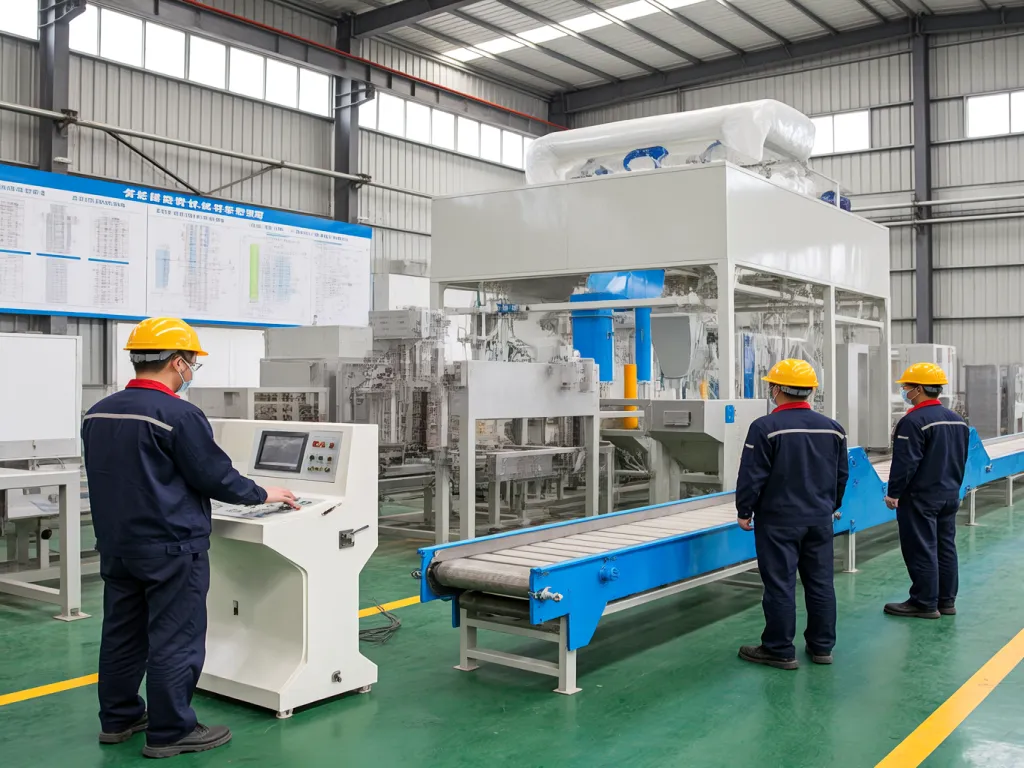
Misura preventiva 1: ottimizza i processi di movimentazione dei materiali per ridurre al minimo i danni fisici e chimici ai sacchetti filtranti
When it comes to preventing filter bag damage in power plants, optimizing the material handling process is a game-changer. You see, the way materials are fed into the system and how their properties are managed can significantly impact the lifespan of your filter bags. Let’s dive into some practical strategies that can make a real difference. First off, adjusting the feeding method is crucial. Imagine pouring a bucket of sand directly onto a delicate fabric – not a pretty picture, right? The same goes for filter bags. Abrupt or uneven feeding can cause excessive wear and tear, leading to premature failure. Instead, consider implementing a controlled feeding system that gradually introduces materials into the filtration unit. This can be achieved through the use of screw conveyors, vibratory feeders, or even pneumatic systems, depending on the nature of the material. By ensuring a smooth and consistent flow, you’ll reduce the physical stress on the filter bags, allowing them to perform optimally for longer. Now, let’s talk about moisture control. Excessive moisture in the feed material can wreak havoc on filter bags, especially those made from certain synthetic fibers. When moisture levels are too high, it can lead to clogging, increased pressure drop, and even chemical reactions that degrade the filter material. So, how do you tackle this issue? One effective approach is to install moisture sensors at key points in the material handling process. These sensors can provide real-time data on moisture content, allowing you to take corrective action before the material reaches the filter bags. For instance, if the moisture level exceeds a certain threshold, you can divert the material to a drying unit or adjust the process parameters to reduce moisture generation. Another aspect to consider is the storage and handling of materials before they enter the filtration system. Improper storage can lead to material degradation, contamination, and moisture absorption, all of which can negatively impact filter bag performance. Make sure materials are stored in a dry, clean environment, away from direct sunlight and extreme temperatures. Additionally, use appropriate containers or silos that prevent moisture ingress and minimize the risk of contamination. But wait, there’s more! The physical properties of the material itself, such as particle size and shape, can also influence filter bag damage. Coarse or irregularly shaped particles can cause abrasion and puncture the filter fabric, while fine particles can clog the pores and increase pressure drop. To mitigate these issues, consider implementing a pre-screening or classification system that separates materials based on their particle size and shape. This way, you can ensure that only materials with suitable properties enter the filtration unit, reducing the risk of damage to the filter bags. Let’s not forget about the importance of regular maintenance and cleaning of the material handling equipment. Over time, equipment such as conveyors, feeders, and storage silos can accumulate dust, debris, and even corrosive substances that can contaminate the feed material and damage the filter bags. Establish a routine maintenance schedule that includes regular cleaning, inspection, and replacement of worn-out parts. This will not only extend the lifespan of your equipment but also ensure that the material handling process remains efficient and effective. In my experience, I’ve seen power plants that have implemented these optimization strategies experience a significant reduction in filter bag damage and replacement costs. By taking a proactive approach to material handling, you can not only protect your filter bags but also improve the overall efficiency and reliability of your filtration system. So, what are you waiting for? Start optimizing your material handling processes today and give your filter bags the protection they deserve!
Regolazione dei metodi di alimentazione per un flusso regolare del materiale
Un’alimentazione brusca o irregolare può causare un’usura eccessiva dei sacchetti filtranti Implementare un sistema di alimentazione controllato utilizzando trasportatori a coclea, alimentatori vibratori o sistemi pneumatici per garantire un flusso regolare e costante Ciò riduce lo stress fisico sui sacchetti filtranti, prolungandone la durata.
Controllo dell’umidità: un fattore chiave nella protezione del sacchetto filtro
Un’eccessiva umidità nella materia prima per mangimi può portare a intasamenti, aumento della caduta di pressione e reazioni chimiche che degradano il materiale filtrante Installare sensori di umidità per monitorare il contenuto di umidità in tempo reale e intraprendere azioni correttive, come deviare il materiale verso un’unità di essiccazione o regolare i parametri di processo.
Conservazione e movimentazione adeguate dei materiali
Una conservazione impropria può causare degrado del materiale, contaminazione e assorbimento dell’umidità, con un impatto negativo sulle prestazioni del sacchetto filtro Conservare i materiali in un ambiente asciutto e pulito, lontano dalla luce solare diretta e da temperature estreme Utilizzare contenitori o silos appropriati per prevenire l’ingresso di umidità e ridurre al minimo il rischio di contaminazione.
Pre-screening e classificazione per proprietà ottimali dei materiali
Le particelle grossolane o di forma irregolare possono causare abrasione e foratura del tessuto filtrante, mentre le particelle fini possono ostruire i pori e aumentare la caduta di pressione Implementare un sistema di pre-screening o classificazione per separare i materiali in base alla dimensione e alla forma delle particelle, garantendo che solo i materiali adatti entrino nell’unità di filtrazione.
Manutenzione regolare delle attrezzature per la movimentazione dei materiali
La polvere accumulata, i detriti e le sostanze corrosive nelle apparecchiature per la movimentazione dei materiali possono contaminare il materiale di alimentazione e danneggiare i sacchetti filtranti Stabilire un programma di manutenzione ordinaria che include pulizia, ispezione e sostituzione regolari delle parti usurate per garantire una movimentazione dei materiali efficiente ed efficace.
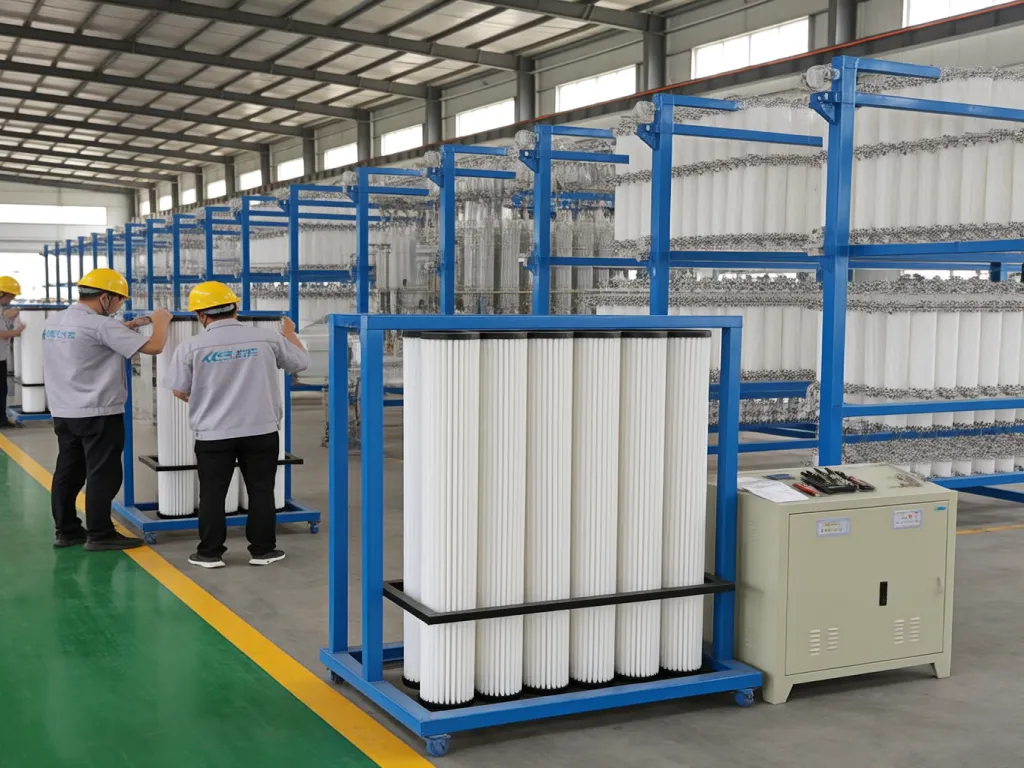
Misura preventiva 2: migliorare gli standard operativi per prestazioni ottimali del sacchetto filtro
When it comes to safeguarding filter bags in power plants, enhancing operational standards is not just a recommendation—it’s a necessity. Proper installation, regular inspections, timely replacements, and avoiding overloading are key practices that ensure your filter bags operate at their peak efficiency. Let’s dive deeper into each of these critical aspects to understand how they contribute to minimizing filter bag damage and extending their lifespan.
First things first, proper installation is the cornerstone of filter bag longevity. Imagine trying to fit a square peg into a round hole—it just won’t work, right? Similarly, installing filter bags incorrectly can lead to immediate or gradual damage, compromising their filtration capabilities. So, what does proper installation entail? It starts with selecting the right filter bag for your specific application, considering factors like material compatibility, size, and shape. Once you’ve got the right bag, follow the manufacturer’s installation guidelines meticulously. This includes ensuring the bag is seated correctly in the cage, all seals are tight, and there are no wrinkles or folds that could impede airflow or cause abrasion. Remember, a well-installed filter bag is a happy filter bag!
Next up, regular inspections are your best defense against unexpected filter bag failures. Think of it like taking your car for a routine check-up—you wouldn’t wait until it breaks down on the highway to find out something’s wrong, would you? The same principle applies to filter bags. Schedule regular inspections to look for signs of wear, tear, or damage. This could include checking for holes, thinning areas, or any buildup of particulate matter that could clog the bag and reduce its efficiency. By catching these issues early, you can take corrective action before they escalate into costly repairs or replacements. Plus, regular inspections give you valuable insights into the overall health of your filtration system, allowing you to make informed decisions about maintenance and upgrades.
Timely replacements are equally crucial in maintaining optimal filter bag performance. No filter bag lasts forever, and trying to squeeze every last ounce of life out of it can be a costly mistake. As filter bags age, their filtration efficiency decreases, and the risk of failure increases. So, how do you know when it’s time to replace them? Keep an eye on your inspection reports and performance metrics. If you notice a significant drop in filtration efficiency, increased pressure drop across the system, or frequent breakdowns, it’s probably time for new filter bags. Don’t wait until it’s too late—proactive replacements can save you from downtime, lost production, and potential safety hazards.
Last but not least, avoiding overloading is essential to prevent filter bag damage. Just like you wouldn’t overload your washing machine with clothes, you shouldn’t overload your filter bags with particulate matter. Overloading can cause excessive pressure on the bags, leading to stretching, tearing, or even bursting. To avoid this, ensure your filtration system is properly sized for your application and that you’re not exceeding the recommended flow rates or particulate loading. If you’re dealing with high-volume or high-particulate applications, consider using multiple filter bags or a more robust filtration system to distribute the load evenly and reduce the risk of damage.
By implementing these operational standards—proper installation, regular inspections, timely replacements, and avoiding overloading—you can significantly reduce the risk of filter bag damage in power plants. Not only will this extend the lifespan of your filter bags, but it will also improve the overall efficiency and reliability of your filtration system. So, what are you waiting for? Start enhancing your operational standards today and give your filter bags the care and attention they deserve!
Installazione corretta: la base della longevità del sacchetto filtro
Una corretta installazione è il primo passo per garantire che i sacchetti filtro funzionino in modo ottimale, si tratta di selezionare il sacchetto giusto per la tua applicazione e seguire alla lettera le linee guida del produttore Questo include il controllo della compatibilità, garantire un corretto dimensionamento ed evitare eventuali errori di installazione che potrebbero portare a danni prematuri Ricorda, un sacchetto filtro ben installato ha meno probabilità di guastarsi, risparmiando tempo e denaro nel lungo periodo.
Ispezioni regolari: individuare i problemi prima che aumentino
Le ispezioni regolari sono il tuo strumento migliore per identificare potenziali problemi con i tuoi sacchetti filtro prima che diventino problemi seri, controllando regolarmente segni di usura, strappo o danni, puoi intraprendere azioni correttive in anticipo e prevenire guasti costosi Inoltre, le ispezioni ti forniscono preziose informazioni sullo stato generale del tuo sistema di filtraggio, consentendoti di prendere decisioni informate su manutenzione e aggiornamenti.
Sostituzioni tempestive: manutenzione proattiva per prestazioni ottimali
Sapere quando i sacchetti filtro è fondamentale per mantenere le prestazioni ottimali Non aspettare che non si guasti completamente per sostituire spesso, è troppo tardi per evitare tempi di inattività e perdita di produzione, Tieni invece d’occhio i rapporti di ispezione e le metriche delle prestazioni e sostituisci i sacchetti filtro in modo proattivo quando diventano evidenti segni di usura o diminuzione dell’efficienza. Ciò garantirà che il tuo sistema di filtraggio continui a funzionare al meglio.
Evitare il sovraccarico: distribuire il carico in modo uniforme
Il sovraccarico dei sacchetti filtro con particolato può causare una pressione eccessiva e causare danni, per evitare ciò, assicurati che il tuo sistema di filtraggio sia dimensionato correttamente per la tua applicazione e che non superi le portate consigliate o il carico di particolato Se hai a che fare con applicazioni ad alto volume o ad alto contenuto di particolato, considera l’utilizzo di più sacchetti filtro o di un sistema di filtraggio più robusto per distribuire il carico in modo uniforme e ridurre il rischio di danni.
Padroneggiare Come prevenire i danni ai sacchetti filtranti nelle centrali elettriche? non è un fattore di pericolo per la gestione dei materiali Affrontando i difetti operativi, perfezionando i controlli operativi e adottando controlli proattivi, ridurrai i costi di sostituzione e aumenterai l’efficienza dell’impianto Pensaci: meno guasti, maggiore durata del filtro e operazioni più fluide Condividi questa guida con il tuo team, aggiungi ai segnalibri la nostra lista di controllo per la manutenzione ed esplora le nostre soluzioni di filtraggio avanzate La prossima volta che ispezionerai il tuo sistema di filtraggio, chiediti: stai facendo abbastanza per proteggere il tuo investimento? La risposta inizia qui.