
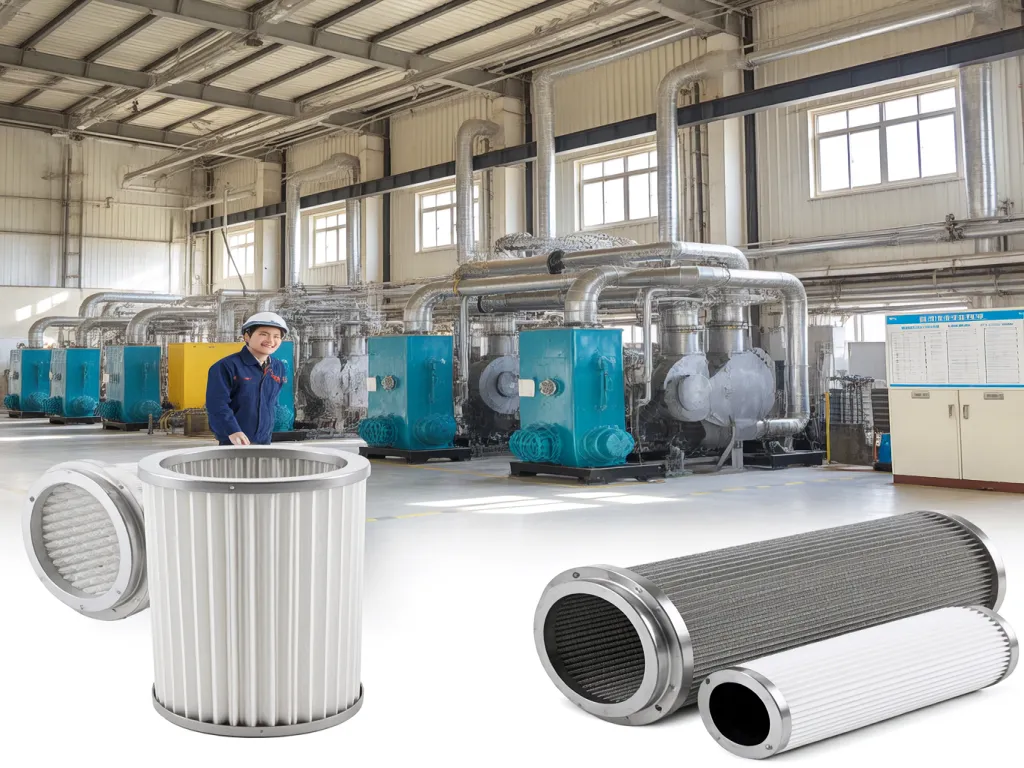
Für Kraftwerksbetreiber kann der Anblick eines beschädigten Filterbeutels die Wirbelsäule durch Schauer erschüttern, ineffiziente Vorgänge und unerwartete Ausgaben verursachen. Aber was wäre, wenn Sie diese Risiken verringern könnten? Verstehen Sie, wie Sie Filterbeutelschäden in Kraftwerken verhindern können? Dabei geht es nicht nur darum, Geld zu sparen; Es geht darum, nahtlose Arbeitsabläufe sicherzustellen und die Lebensdauer der Geräte zu maximieren. In diesem Leitfaden werden wir die Grundursachen für Filterbeutelausfälle aufdecken und Sie mit umsetzbaren Strategien ausstatten, um sie intakt zu halten. Bereit, Ihre Wartungsroutine zu transformieren?
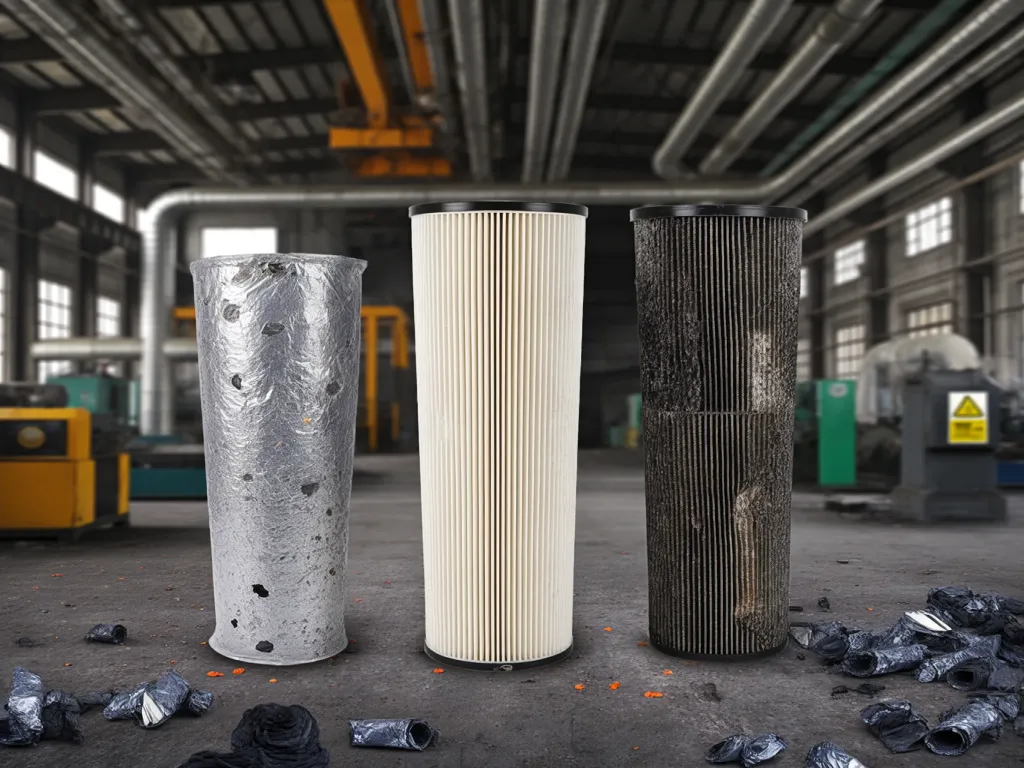
Häufige Ursachen für Schäden an Filterbeuteln: Einblicke in Materialeigenschaften, Betriebsunfälle und Umweltfaktoren
As someone deeply involved in the industrial filtration sector, I’ve seen firsthand how crucial filter bags are to the smooth operation of power plants. Yet, despite their importance, filter bags often face premature damage, leading to costly downtimes and replacements. So, what’s causing this wear and tear? Let’s dive into the common culprits, starting with material properties, moving on to operational mishaps, and finally, environmental factors. Understanding these root causes is the first step toward effective prevention.
Material Properties: The Silent Culprit
The characteristics of the materials being filtered play a significant role in the lifespan of filter bags. For instance, abrasive particles can act like sandpaper, gradually wearing down the fabric fibers. Imagine filtering coal dust or silica – these tiny, sharp particles can embed themselves into the filter bag, causing micro-tears that expand over time. But it’s not just about abrasion; chemical reactivity is another concern. Certain materials, when in contact with specific chemicals present in the gas stream, can react, leading to degradation of the filter bag material. For example, polyester filter bags might not fare well in environments with high concentrations of oxidizing agents, as these can cause the fabric to weaken and break down faster.
Moreover, the moisture content of the material being filtered can’t be overlooked. High humidity levels can lead to condensation inside the filter bag, creating a damp environment that fosters microbial growth. This not only clogs the pores, reducing filtration efficiency but also weakens the fabric structure over time. Have you ever noticed how a wet cloth becomes more fragile when dried? The same principle applies here, albeit on a microscopic level.
Operational Mishaps: Human Error and Beyond
Now, let’s talk about operational mishaps. These are often the result of human error or inadequate maintenance practices. One common mistake is improper installation. If a filter bag isn’t seated correctly in its housing, it can rub against the frame or other components, causing friction and, eventually, holes. It’s like wearing shoes that don’t fit – they’ll cause blisters and discomfort, and similarly, a poorly installed filter bag will suffer. Choosing the right industrial filter bag, such as those detailed Hier hier, can also mitigate installation issues.
Another operational issue is neglecting regular inspections and replacements. Filter bags, like any other component, have a finite lifespan. Continuously running them beyond their recommended usage period can lead to catastrophic failures. It’s akin to driving a car without ever changing the oil – eventually, the engine will seize up. Regular checks can identify early signs of wear, allowing for timely replacements before a minor issue escalates into a major problem.
Overloading the system is yet another operational pitfall. Pushing the filter system beyond its designed capacity can lead to excessive pressure differentials, causing the filter bags to stretch and potentially rupture. It’s like trying to fit too much luggage into an already full suitcase – something’s got to give, and in this case, it’s the integrity of the filter bag.
Environmental Factors: The Unseen Forces
Lastly, environmental factors play a significant role in filter bag longevity. Temperature extremes, both high and low, can affect the material properties of the filter bags. High temperatures can cause thermal degradation, making the fabric brittle and prone to cracking. On the other hand, extremely cold environments can make the fabric stiff and less flexible, increasing the risk of tears during operation.
Corrosive gases in the environment are another environmental hazard. These gases can react with the filter bag material, leading to chemical degradation. For instance, in power plants burning certain types of coal, sulfur dioxide (SO2) emissions can be a concern. SO2 can react with moisture to form sulfuric acid, which is highly corrosive and can eat away at the filter bag fabric over time.
Lastly, let’s not forget about the impact of particulate size distribution. Fine particles can penetrate deeper into the filter bag, clogging the pores and reducing airflow. This not only decreases filtration efficiency but also increases the pressure drop across the filter, putting additional strain on the bag and accelerating wear.
Materialeigenschaften im Detail
Bei den Materialeigenschaften geht es nicht nur um die Art der Partikel sondern auch um deren Größe, Form, Konzentration Kleinere, schärfere Partikel verursachen tendenziell mehr Schaden als größere, rundere Analog dazu können hohe Konzentrationen an Partikeln den Filterbeutel überfordern, was zu einer schnelleren Verstopfung und erhöhtem Verschleiß führt Es ist wichtig, die spezifischen Eigenschaften der zu filternden Materialien zu verstehen und Filterbeutel entsprechend zu wählen.
Operative Best Practices
Um Betriebsunfälle zu mildern, ist es von entscheidender Bedeutung, bewährte Verfahren festzulegen und zu befolgen Dazu gehören ordnungsgemäße Installationstechniken, regelmäßige Inspektionen und rechtzeitiger Austausch Schulung des Personals in der richtigen Handhabung und Wartung von Filterbeuteln kann einen großen Beitrag zur Schadensverhütung leisten Darüber hinaus kann die Implementierung eines vorbeugenden Wartungsplans dazu beitragen, potenzielle Probleme zu erkennen und anzugehen, bevor sie eskalieren.
Umweltkontrollstrategien
Die Kontrolle von Umweltfaktoren erfordert einen vielschichtigen Ansatz Temperaturkontrollsysteme können dazu beitragen, optimale Betriebsbedingungen aufrechtzuerhalten und thermischen Abbau zu verhindern Die Installation von Wäschern oder anderen emissionsmindernden Vorrichtungen kann die Konzentration korrosiver Gase in der Umgebung verringern. Schließlich kann die Vorfilterung oder Dimensionierung der Partikel, bevor sie die Filterbeutel erreichen, die Auswirkungen feiner Partikel auf die Lebensdauer des Filterbeutels minimieren.
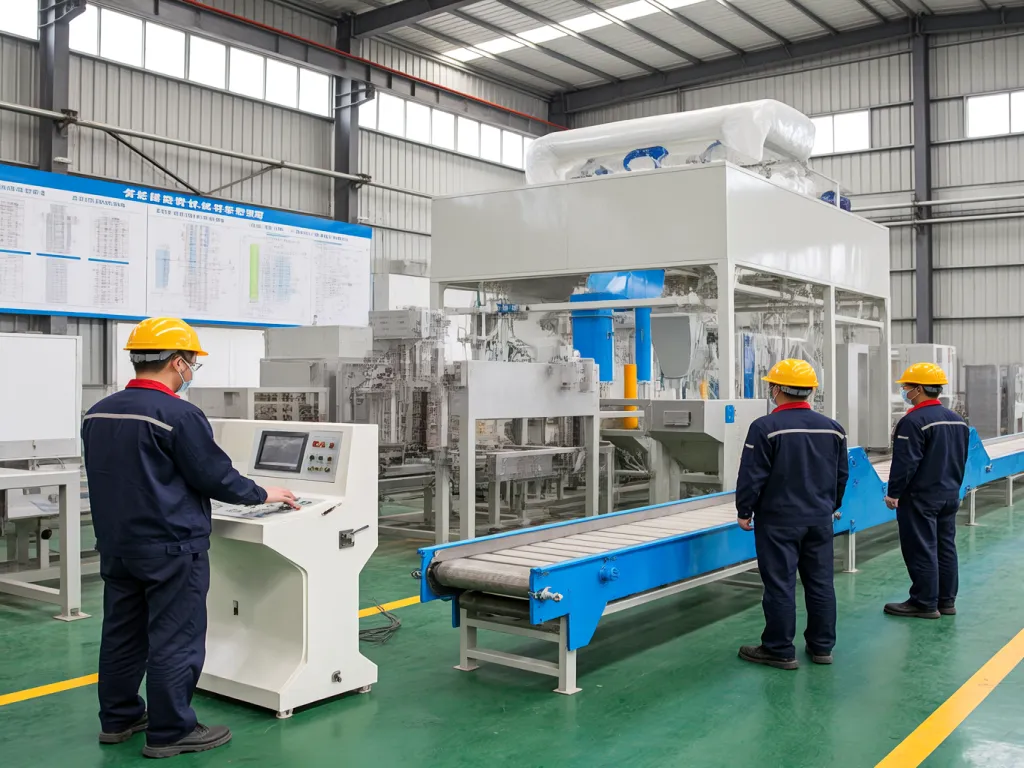
Vorbeugende Maßnahme 1: Optimierung von Materialhandhabungsprozessen, um physikalische und chemische Schäden an Filterbeuteln zu minimieren
When it comes to preventing filter bag damage in power plants, optimizing the material handling process is a game-changer. You see, the way materials are fed into the system and how their properties are managed can significantly impact the lifespan of your filter bags. Let’s dive into some practical strategies that can make a real difference. First off, adjusting the feeding method is crucial. Imagine pouring a bucket of sand directly onto a delicate fabric – not a pretty picture, right? The same goes for filter bags. Abrupt or uneven feeding can cause excessive wear and tear, leading to premature failure. Instead, consider implementing a controlled feeding system that gradually introduces materials into the filtration unit. This can be achieved through the use of screw conveyors, vibratory feeders, or even pneumatic systems, depending on the nature of the material. By ensuring a smooth and consistent flow, you’ll reduce the physical stress on the filter bags, allowing them to perform optimally for longer. Now, let’s talk about moisture control. Excessive moisture in the feed material can wreak havoc on filter bags, especially those made from certain synthetic fibers. When moisture levels are too high, it can lead to clogging, increased pressure drop, and even chemical reactions that degrade the filter material. So, how do you tackle this issue? One effective approach is to install moisture sensors at key points in the material handling process. These sensors can provide real-time data on moisture content, allowing you to take corrective action before the material reaches the filter bags. For instance, if the moisture level exceeds a certain threshold, you can divert the material to a drying unit or adjust the process parameters to reduce moisture generation. Another aspect to consider is the storage and handling of materials before they enter the filtration system. Improper storage can lead to material degradation, contamination, and moisture absorption, all of which can negatively impact filter bag performance. Make sure materials are stored in a dry, clean environment, away from direct sunlight and extreme temperatures. Additionally, use appropriate containers or silos that prevent moisture ingress and minimize the risk of contamination. But wait, there’s more! The physical properties of the material itself, such as particle size and shape, can also influence filter bag damage. Coarse or irregularly shaped particles can cause abrasion and puncture the filter fabric, while fine particles can clog the pores and increase pressure drop. To mitigate these issues, consider implementing a pre-screening or classification system that separates materials based on their particle size and shape. This way, you can ensure that only materials with suitable properties enter the filtration unit, reducing the risk of damage to the filter bags. Let’s not forget about the importance of regular maintenance and cleaning of the material handling equipment. Over time, equipment such as conveyors, feeders, and storage silos can accumulate dust, debris, and even corrosive substances that can contaminate the feed material and damage the filter bags. Establish a routine maintenance schedule that includes regular cleaning, inspection, and replacement of worn-out parts. This will not only extend the lifespan of your equipment but also ensure that the material handling process remains efficient and effective. In my experience, I’ve seen power plants that have implemented these optimization strategies experience a significant reduction in filter bag damage and replacement costs. By taking a proactive approach to material handling, you can not only protect your filter bags but also improve the overall efficiency and reliability of your filtration system. So, what are you waiting for? Start optimizing your material handling processes today and give your filter bags the protection they deserve!
Anpassung der Zufuhrmethoden für einen reibungslosen Materialfluss
Eine abrupte oder ungleichmäßige Zuführung kann zu übermäßigem Verschleiß der Filterbeutel führen. Implementieren Sie ein kontrolliertes Zuführsystem mit Schneckenförderern, Vibrationsförderern oder pneumatischen Systemen, um einen gleichmäßigen und gleichmäßigen Fluss zu gewährleisten. Dadurch werden die Filterbeutel körperlich belastet und ihre Lebensdauer verlängert.
Feuchtigkeitskontrolle: Ein Schlüsselfaktor für den Schutz von Filterbeuteln
Übermäßige Feuchtigkeit im Einsatzmaterial kann zu Verstopfungen, erhöhtem Druckabfall und chemischen Reaktionen führen, die das Filtermaterial zersetzen Installieren Sie Feuchtigkeitssensoren, um den Feuchtigkeitsgehalt in Echtzeit zu überwachen und Korrekturmaßnahmen zu ergreifen, wie z. B. das Umleiten von Material zu einer Trocknungseinheit oder das Anpassen von Prozessparametern.
Richtige Lagerung und Handhabung von Materialien
Eine unsachgemäße Lagerung kann zu Materialabbau, Kontamination und Feuchtigkeitsaufnahme führen und sich negativ auf die Leistung des Filterbeutels auswirken. Lagern Sie Materialien in einer trockenen, sauberen Umgebung, fern von direkter Sonneneinstrahlung und extremen Temperaturen. Verwenden Sie geeignete Behälter oder Silos, um das Eindringen von Feuchtigkeit zu verhindern und das Kontaminationsrisiko zu minimieren.
Vorscreening und Klassifizierung für optimale Materialeigenschaften
Grobe oder unregelmäßig geformte Partikel können Abrieb verursachen und Filtergewebe durchstechen, während feine Partikel Poren verstopfen und den Druckabfall erhöhen können Implementieren Sie ein Vorscreening- oder Klassifizierungssystem, um Materialien basierend auf Partikelgröße und -form zu trennen und sicherzustellen, dass nur geeignete Materialien in die Filtereinheit gelangen.
Regelmäßige Wartung von Materialhandhabungsgeräten
Ansammlung von Staub, Ablagerungen und korrosiven Substanzen in Materialhandhabungsgeräten kann Zufuhrmaterial verunreinigen und Filterbeutel beschädigen. Erstellen Sie einen routinemäßigen Wartungsplan, der eine regelmäßige Reinigung, Inspektion und den Austausch abgenutzter Teile umfasst, um eine effiziente und effektive Materialhandhabung sicherzustellen.
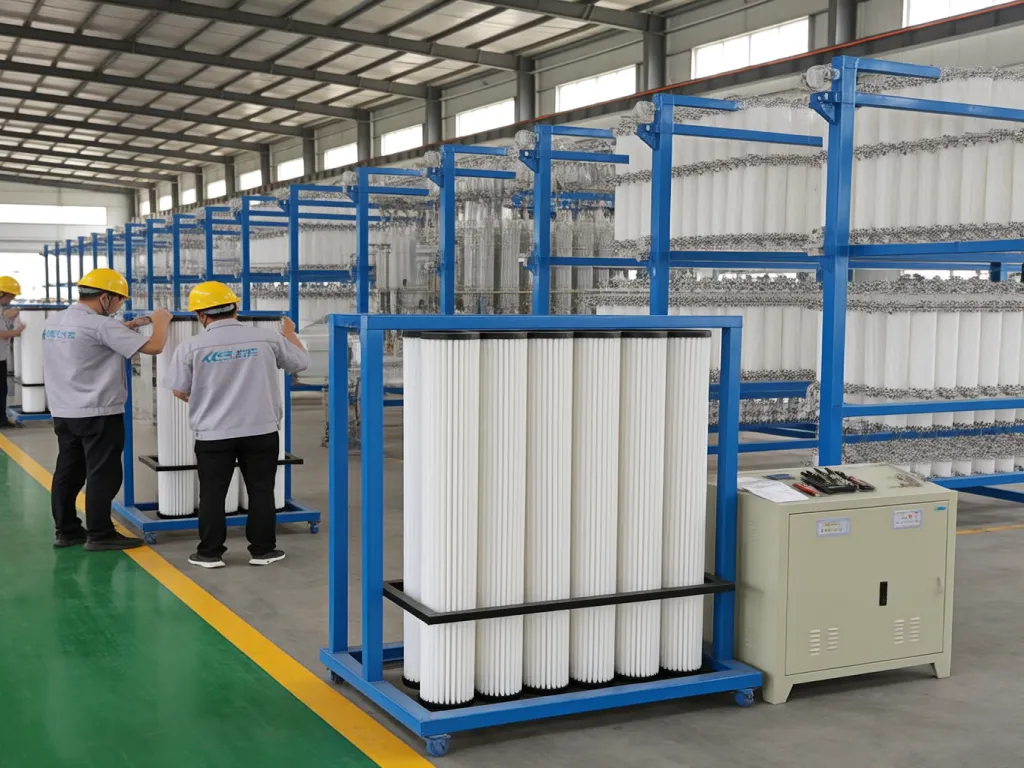
Vorbeugende Maßnahme 2: Verbesserung der Betriebsstandards für eine optimale Filterbeutelleistung
When it comes to safeguarding filter bags in power plants, enhancing operational standards is not just a recommendation—it’s a necessity. Proper installation, regular inspections, timely replacements, and avoiding overloading are key practices that ensure your filter bags operate at their peak efficiency. Let’s dive deeper into each of these critical aspects to understand how they contribute to minimizing filter bag damage and extending their lifespan.
First things first, proper installation is the cornerstone of filter bag longevity. Imagine trying to fit a square peg into a round hole—it just won’t work, right? Similarly, installing filter bags incorrectly can lead to immediate or gradual damage, compromising their filtration capabilities. So, what does proper installation entail? It starts with selecting the right filter bag for your specific application, considering factors like material compatibility, size, and shape. Once you’ve got the right bag, follow the manufacturer’s installation guidelines meticulously. This includes ensuring the bag is seated correctly in the cage, all seals are tight, and there are no wrinkles or folds that could impede airflow or cause abrasion. Remember, a well-installed filter bag is a happy filter bag!
Next up, regular inspections are your best defense against unexpected filter bag failures. Think of it like taking your car for a routine check-up—you wouldn’t wait until it breaks down on the highway to find out something’s wrong, would you? The same principle applies to filter bags. Schedule regular inspections to look for signs of wear, tear, or damage. This could include checking for holes, thinning areas, or any buildup of particulate matter that could clog the bag and reduce its efficiency. By catching these issues early, you can take corrective action before they escalate into costly repairs or replacements. Plus, regular inspections give you valuable insights into the overall health of your filtration system, allowing you to make informed decisions about maintenance and upgrades.
Timely replacements are equally crucial in maintaining optimal filter bag performance. No filter bag lasts forever, and trying to squeeze every last ounce of life out of it can be a costly mistake. As filter bags age, their filtration efficiency decreases, and the risk of failure increases. So, how do you know when it’s time to replace them? Keep an eye on your inspection reports and performance metrics. If you notice a significant drop in filtration efficiency, increased pressure drop across the system, or frequent breakdowns, it’s probably time for new filter bags. Don’t wait until it’s too late—proactive replacements can save you from downtime, lost production, and potential safety hazards.
Last but not least, avoiding overloading is essential to prevent filter bag damage. Just like you wouldn’t overload your washing machine with clothes, you shouldn’t overload your filter bags with particulate matter. Overloading can cause excessive pressure on the bags, leading to stretching, tearing, or even bursting. To avoid this, ensure your filtration system is properly sized for your application and that you’re not exceeding the recommended flow rates or particulate loading. If you’re dealing with high-volume or high-particulate applications, consider using multiple filter bags or a more robust filtration system to distribute the load evenly and reduce the risk of damage.
By implementing these operational standards—proper installation, regular inspections, timely replacements, and avoiding overloading—you can significantly reduce the risk of filter bag damage in power plants. Not only will this extend the lifespan of your filter bags, but it will also improve the overall efficiency and reliability of your filtration system. So, what are you waiting for? Start enhancing your operational standards today and give your filter bags the care and attention they deserve!
Richtige Installation: Die Grundlage für die Langlebigkeit von Filterbeuteln
Die richtige Installation ist der erste Schritt, um sicherzustellen, dass Ihre Filterbeutel optimal funktionieren. Dazu gehört die Auswahl der richtigen Tasche für Ihre Anwendung und die Einhaltung der Richtlinien des Herstellers. Dazu gehört die Prüfung der Kompatibilität, die Sicherstellung der richtigen Dimensionierung und die Vermeidung von Installationsfehlern, die zu vorzeitigen Schäden führen könnten Denken Sie daran, dass ein gut installierter Filterbeutel weniger wahrscheinlich ausfällt, was Ihnen auf lange Sicht Zeit und Geld spart.
Regelmäßige Inspektionen: Probleme beim Auffangen, bevor sie eskalieren
Regelmäßige Inspektionen sind Ihr bestes Instrument, um potenzielle Probleme mit Ihren Filterbeuteln zu erkennen, bevor sie zu schwerwiegenden Problemen werden. Durch die regelmäßige Überprüfung auf Anzeichen von Abnutzung, Riss oder Beschädigung können Sie frühzeitig Korrekturmaßnahmen ergreifen und kostspielige Ausfälle verhindern. Darüber hinaus erhalten Sie bei Inspektionen wertvolle Einblicke in den allgemeinen Zustand Ihres Filtersystems, sodass Sie fundierte Entscheidungen über Wartung und Upgrades treffen können.
Rechtzeitiger Austausch: Proaktive Wartung für optimale Leistung
Zu wissen, wann Filterbeutel für die Aufrechterhaltung einer optimalen Leistung von entscheidender Bedeutung sind Warten Sie nicht, bis sie Ihre Filterbeutel nicht vollständig ersetzen. Dann ist es oft zu spät, um Ausfallzeiten und Produktionsausfälle zu vermeiden. Stattdessen haben Sie Ihre Inspektionsberichte und Leistungsmetriken im Auge und ersetzen Sie Ihre Filterbeutel proaktiv, wenn Anzeichen von Verschleiß oder verminderter Effizienz erkennbar werden. Dadurch wird sichergestellt, dass Ihr Filtersystem weiterhin optimal funktioniert.
Überlastung vermeiden: Die Last gleichmäßig verteilen
Das Überladen Ihrer Filterbeutel mit Partikeln kann zu übermäßigem Druck führen und zu Schäden führen. Um dies zu vermeiden, stellen Sie sicher, dass Ihr Filtersystem für Ihre Anwendung richtig dimensioniert ist und die empfohlenen Durchflussraten oder Partikelbeladung nicht überschreitet. Wenn Sie es mit großvolumigen oder hochpartikulären Anwendungen zu tun haben, sollten Sie die Verwendung mehrerer Filterbeutel oder eines robusteren Filtersystems in Betracht ziehen, um die Ladung gleichmäßig zu verteilen und das Schadensrisiko zu verringern.
Beherrschen Wie Schäden an Filterbeuteln in Kraftwerken? ist nicht optional, um Kraftwerke zu verhindern. Durch die Behebung von Materialtransportfehlern, die Verfeinerung von Betriebsprotokollen und die Einführung proaktiver Kontrollen werden Sie den Austausch reduzieren und die Anlageneffizienz steigern. Denken Sie darüber nach: weniger Ausfälle, längere Filterlebensdauer und reibungslosere Vorgänge Teilen Sie diesen Leitfaden mit Ihrem Team, markieren Sie unsere Wartungscheckliste und erkunden Sie unsere fortschrittlichen Filterlösungen. Wenn Sie das nächste Mal Ihr Filtersystem inspizieren, fragen Sie sich: Tun Sie genug, um Ihre Investition zu schützen? Die Antwort beginnt hier.